Earth Day Hub Crawl: A New Model for Environmental Collaboration
Even as the inaugural Earth Day Hub Crawl was winding down, new guests were still arriving and asking if they could participate.
That moment perfectly reflected the success of the event.
People were not rushing out the door. They were still moving through the room, joining conversations, visiting hubs, meeting new partners, and engaging with the experience long after the event had begun. The energy in the room made it clear that this was more than a networking event. It was a living example of what can happen when movement-building is designed around connection, accessibility, and shared participation rather than formal presentations and hierarchy.
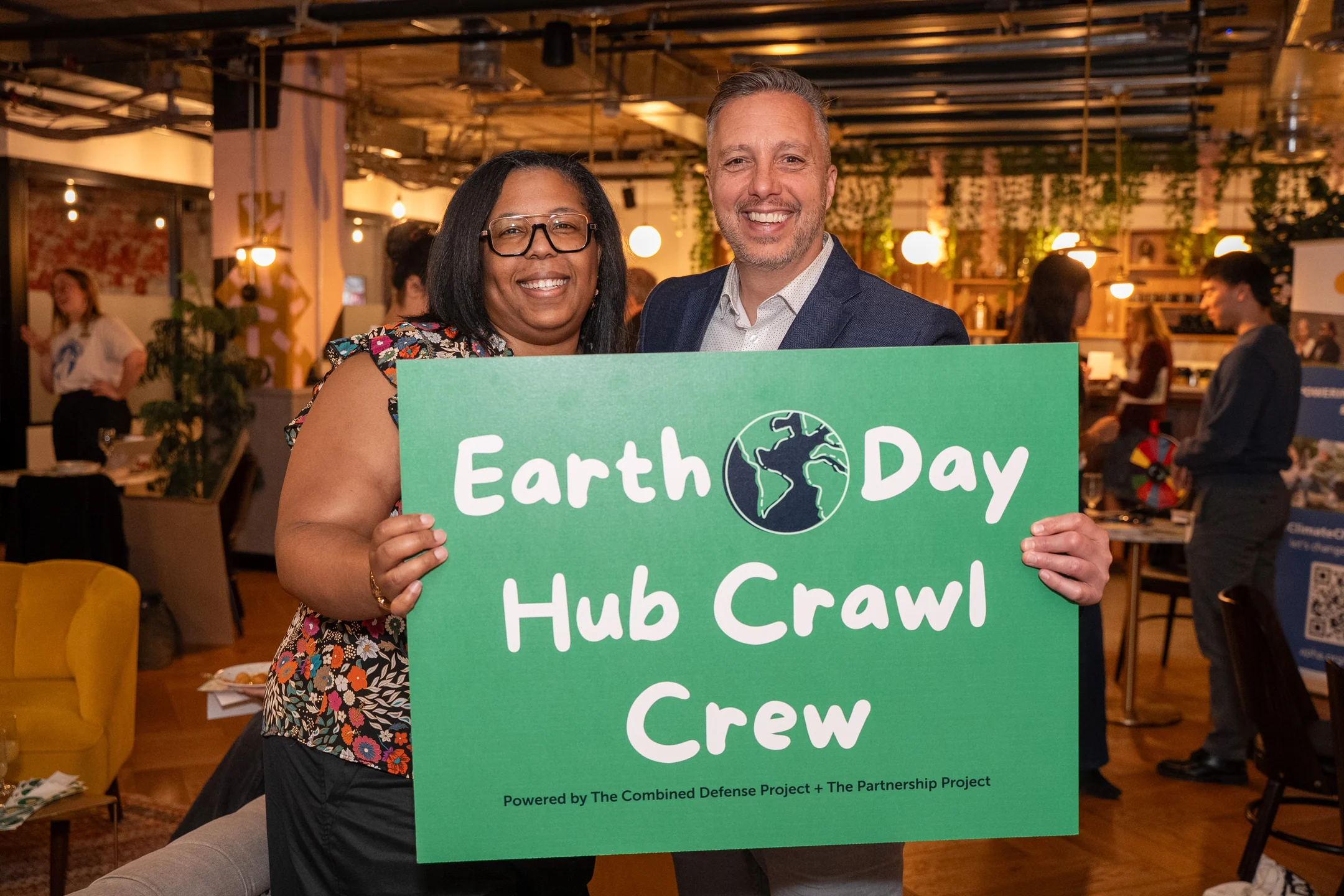
Hosted by the Combined Defense Project and the Partnership Project during DC Climate Week, the gathering brought together environmental advocates, campaign leaders, organizers, communicators, policy experts, and movement partners for an evening centered on alliance and community.
What emerged was a model for how intentional, relationship-driven spaces can strengthen movements, encourage cross-organizational collaboration, and create opportunities for both emerging and established leaders to engage more meaningfully with one another.
Reimagining What Movement Spaces Can Look Like
The Earth Day Hub Crawl was intentionally designed to feel different from a traditional conference or policy event.
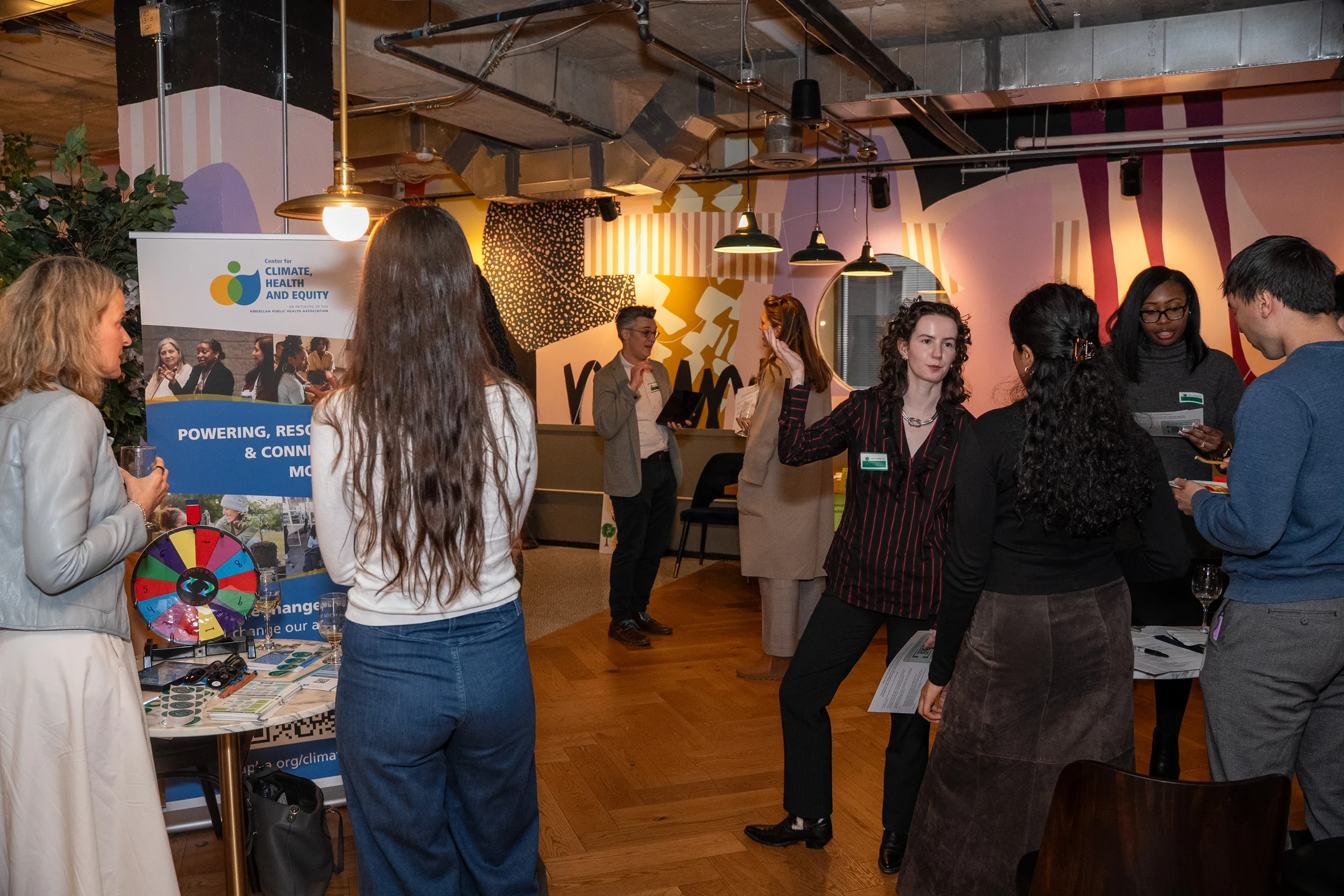
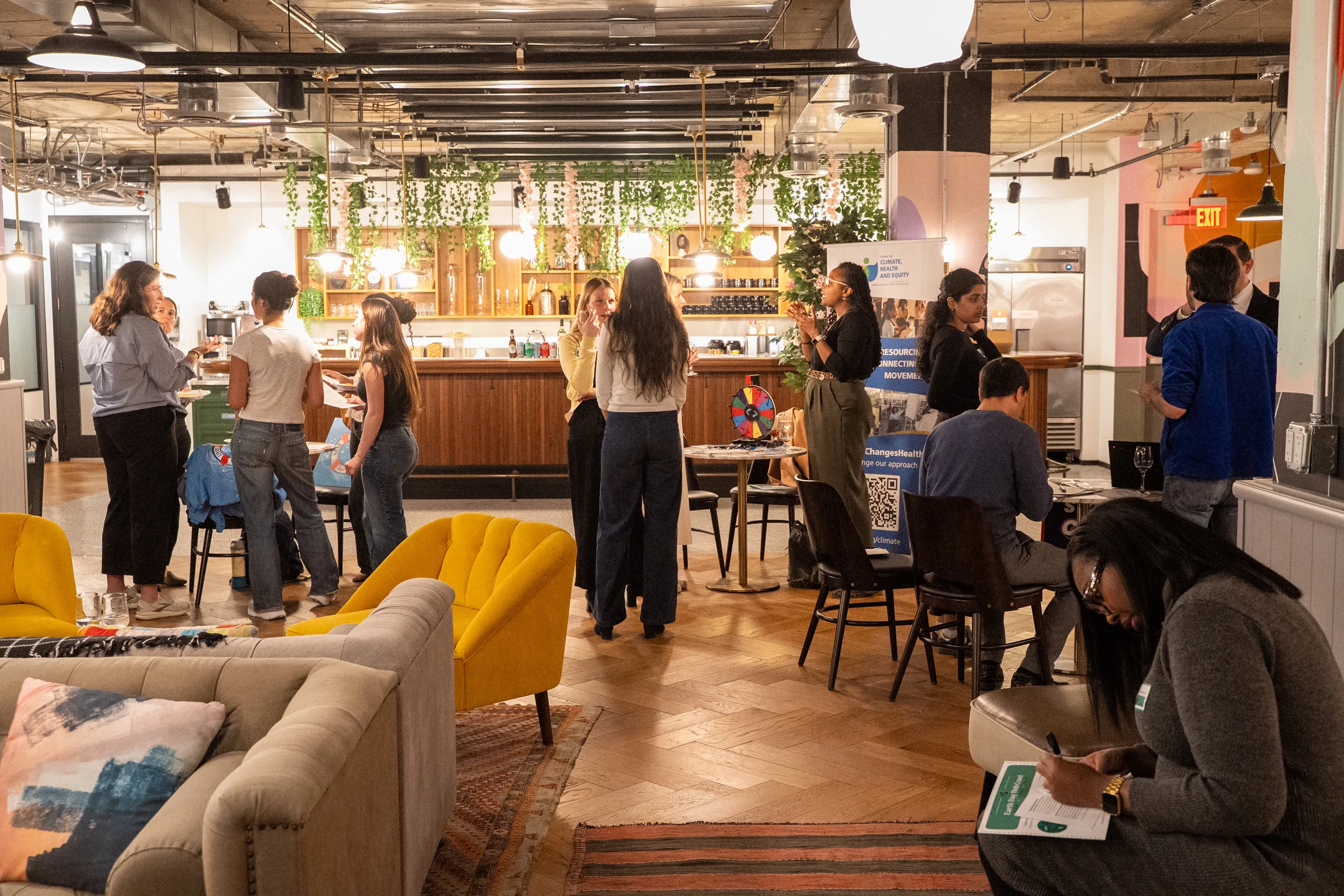
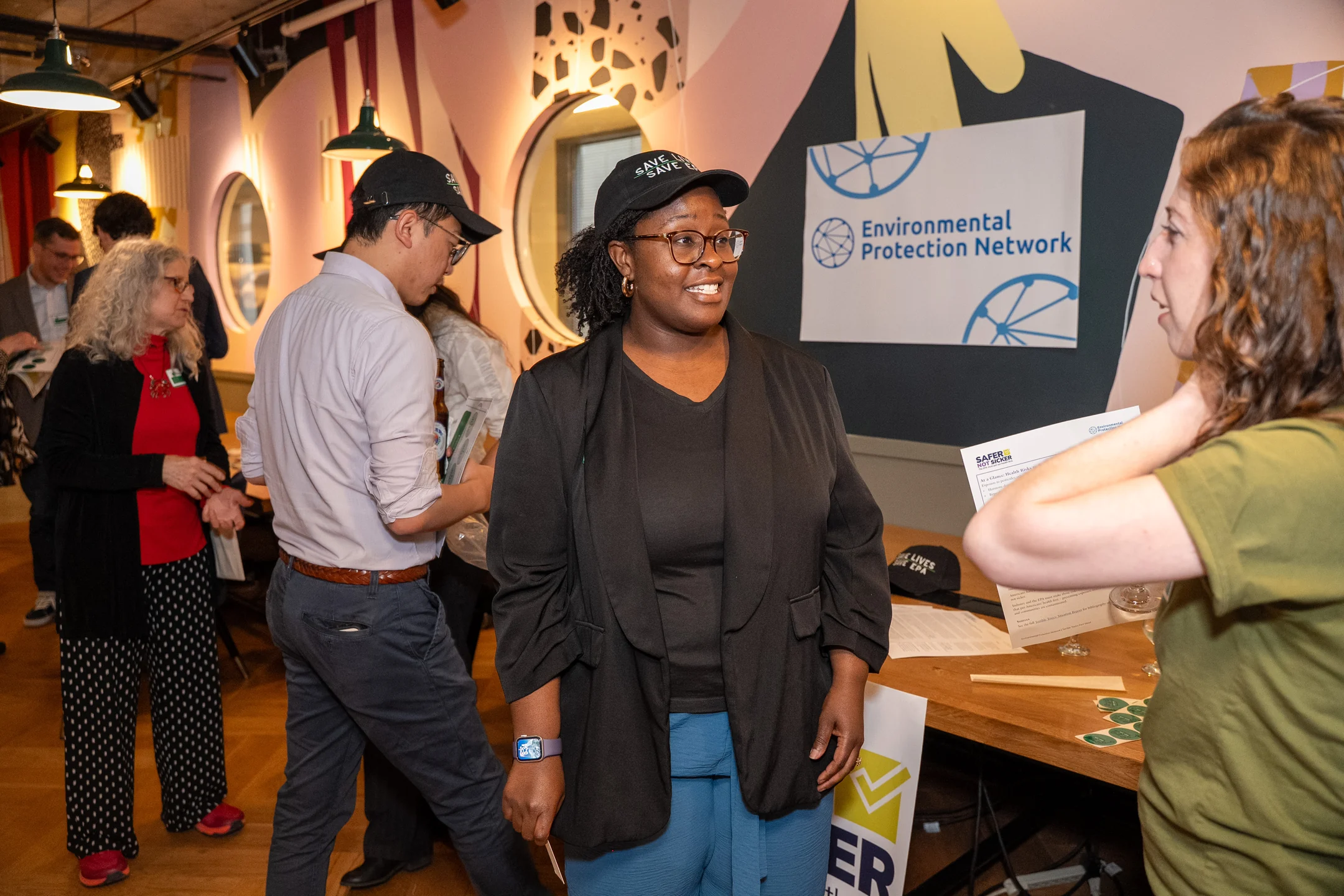
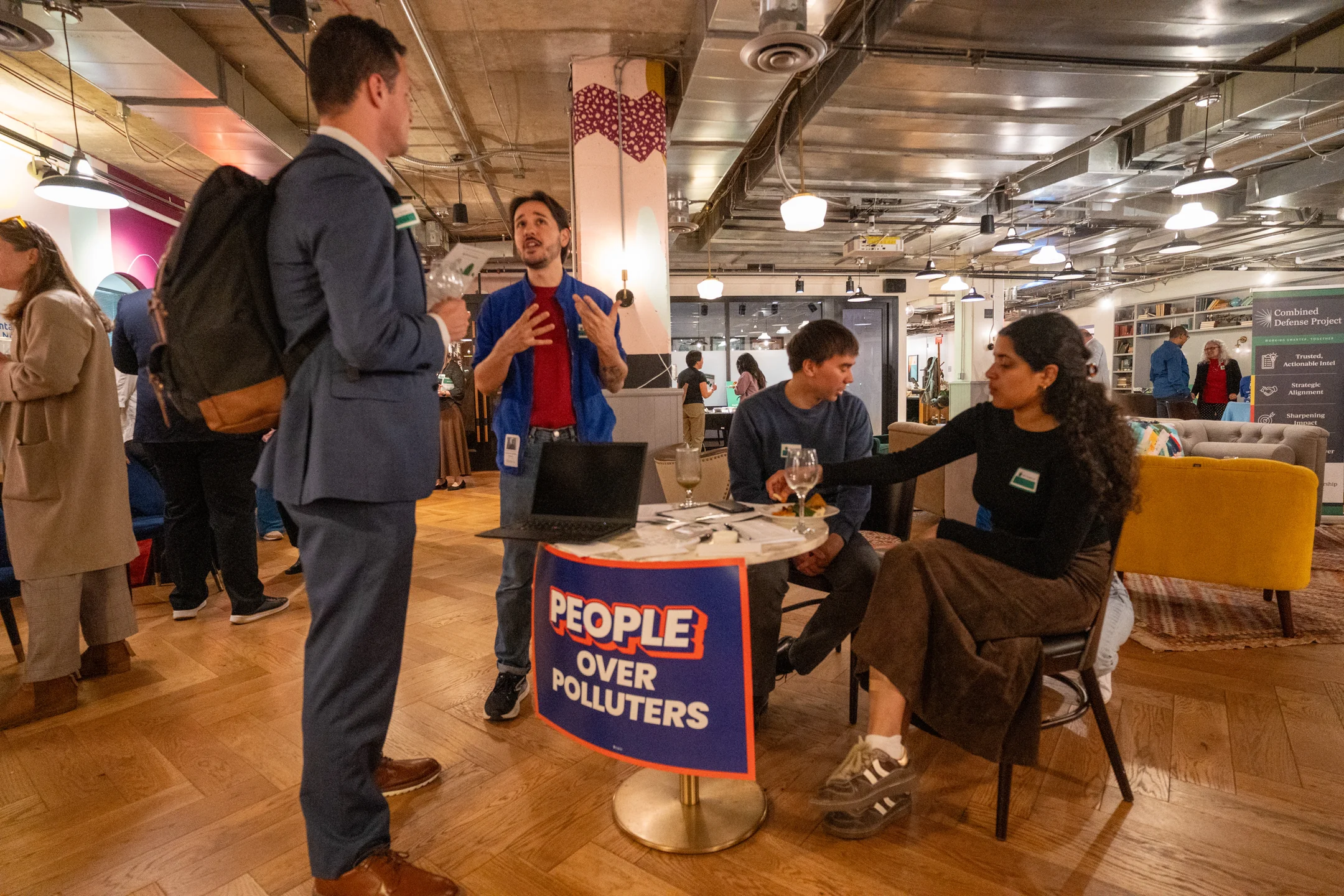
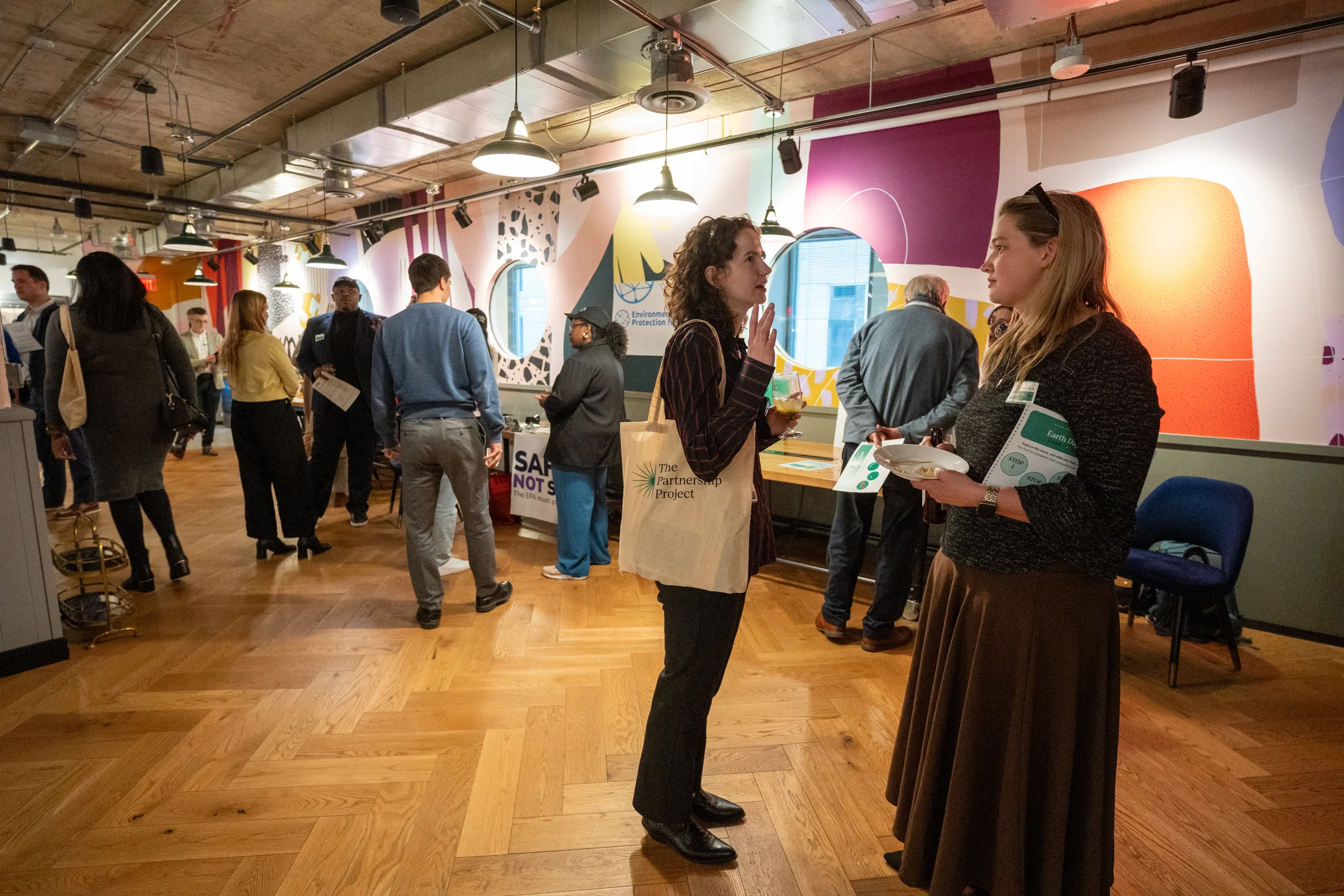
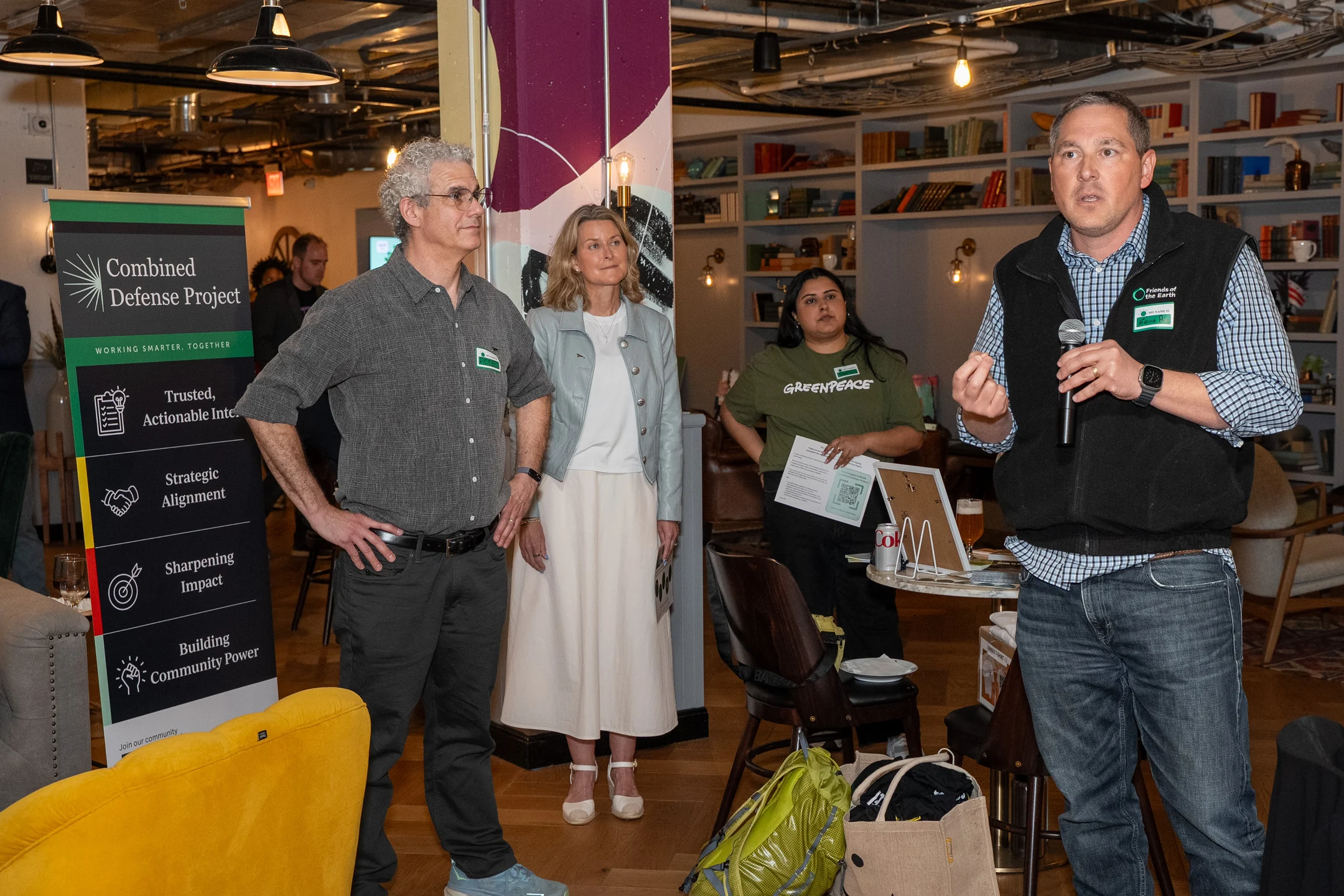
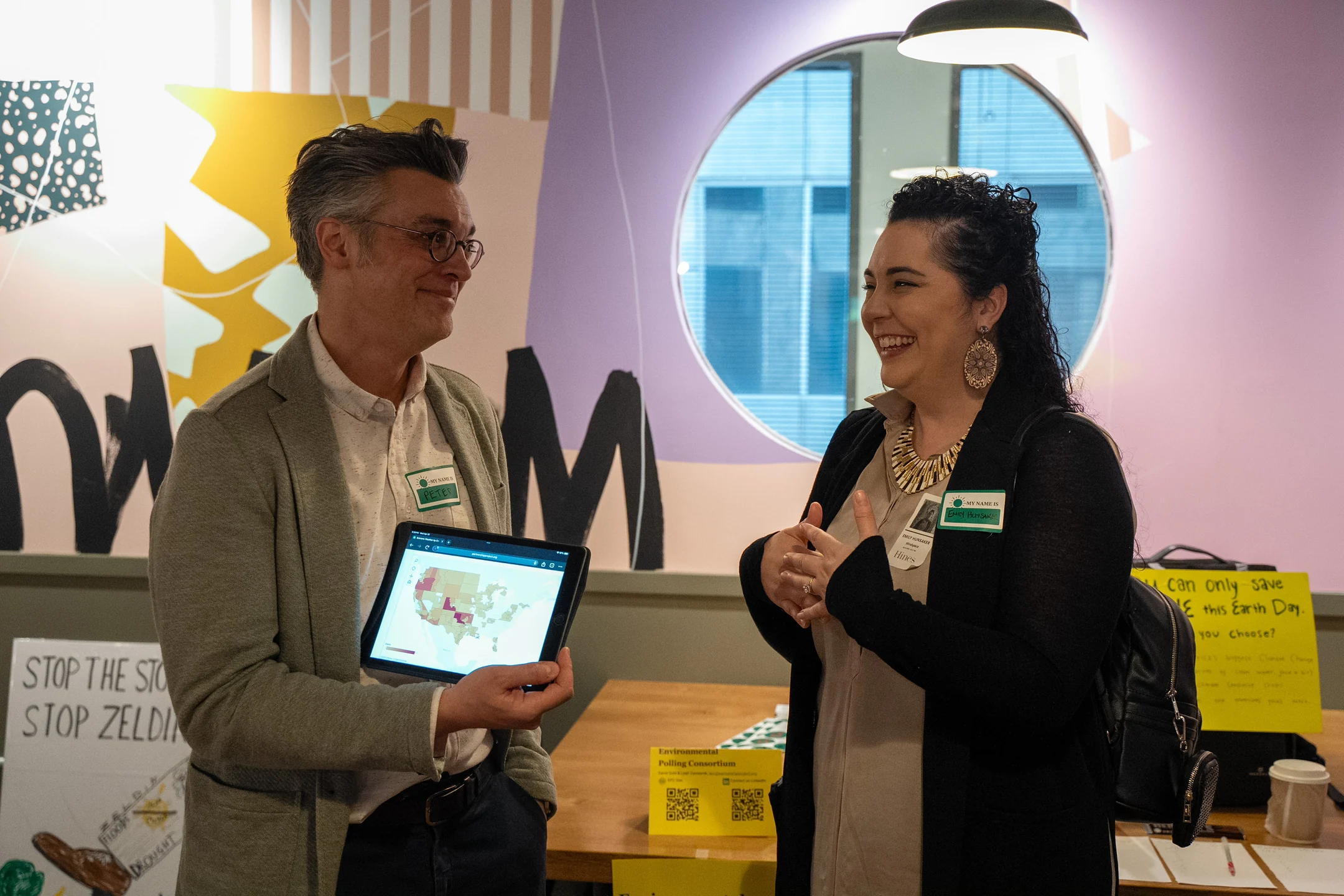
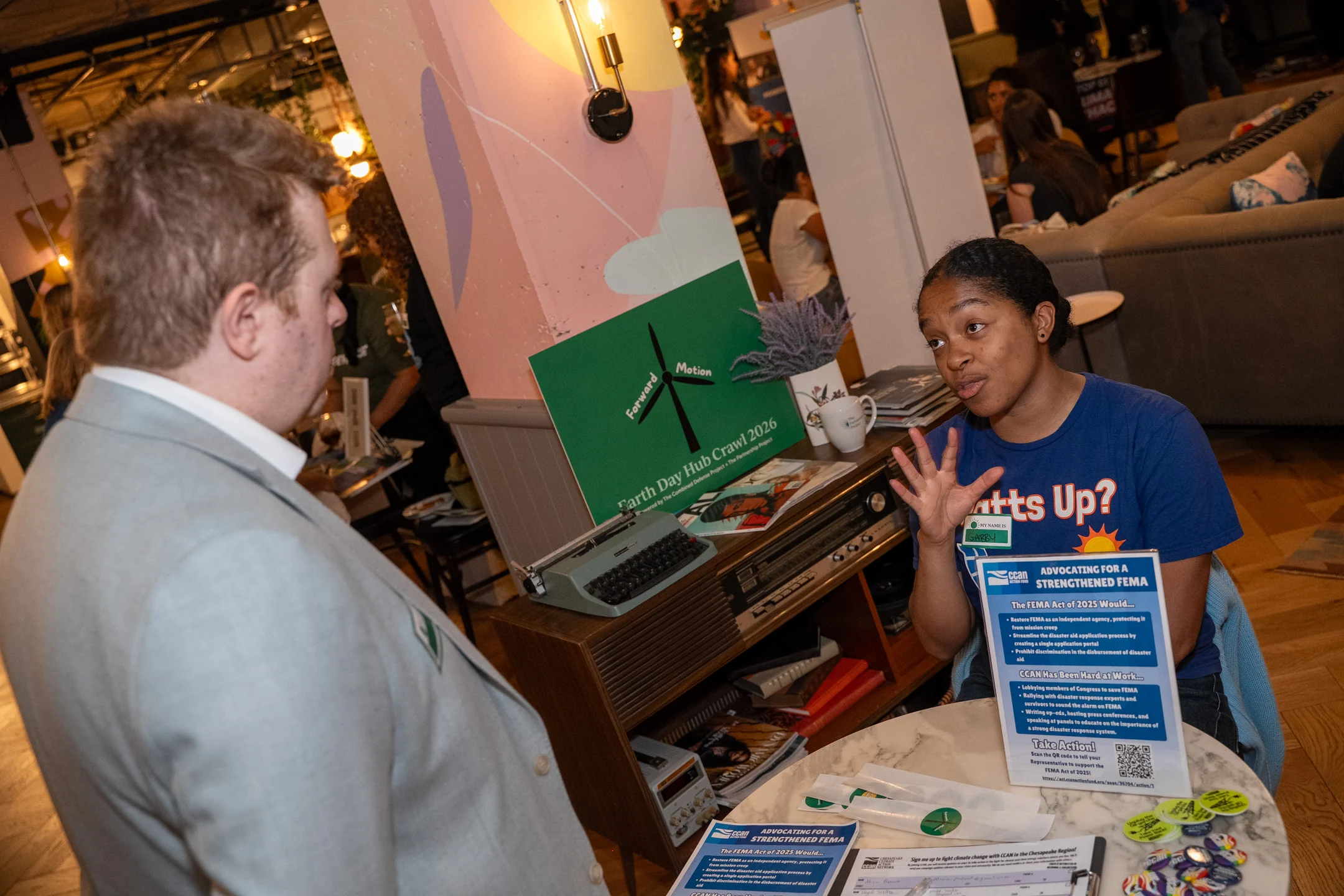
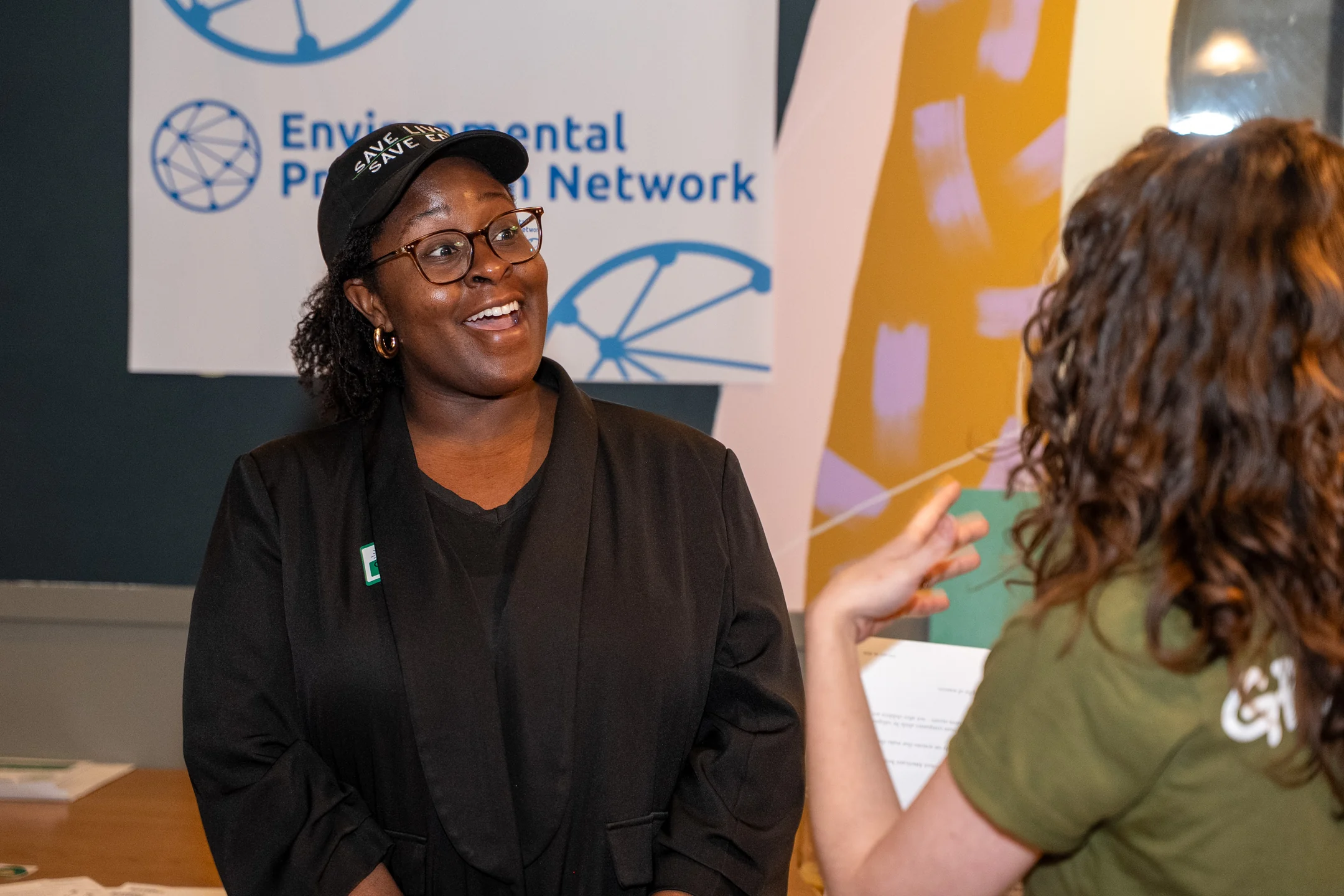
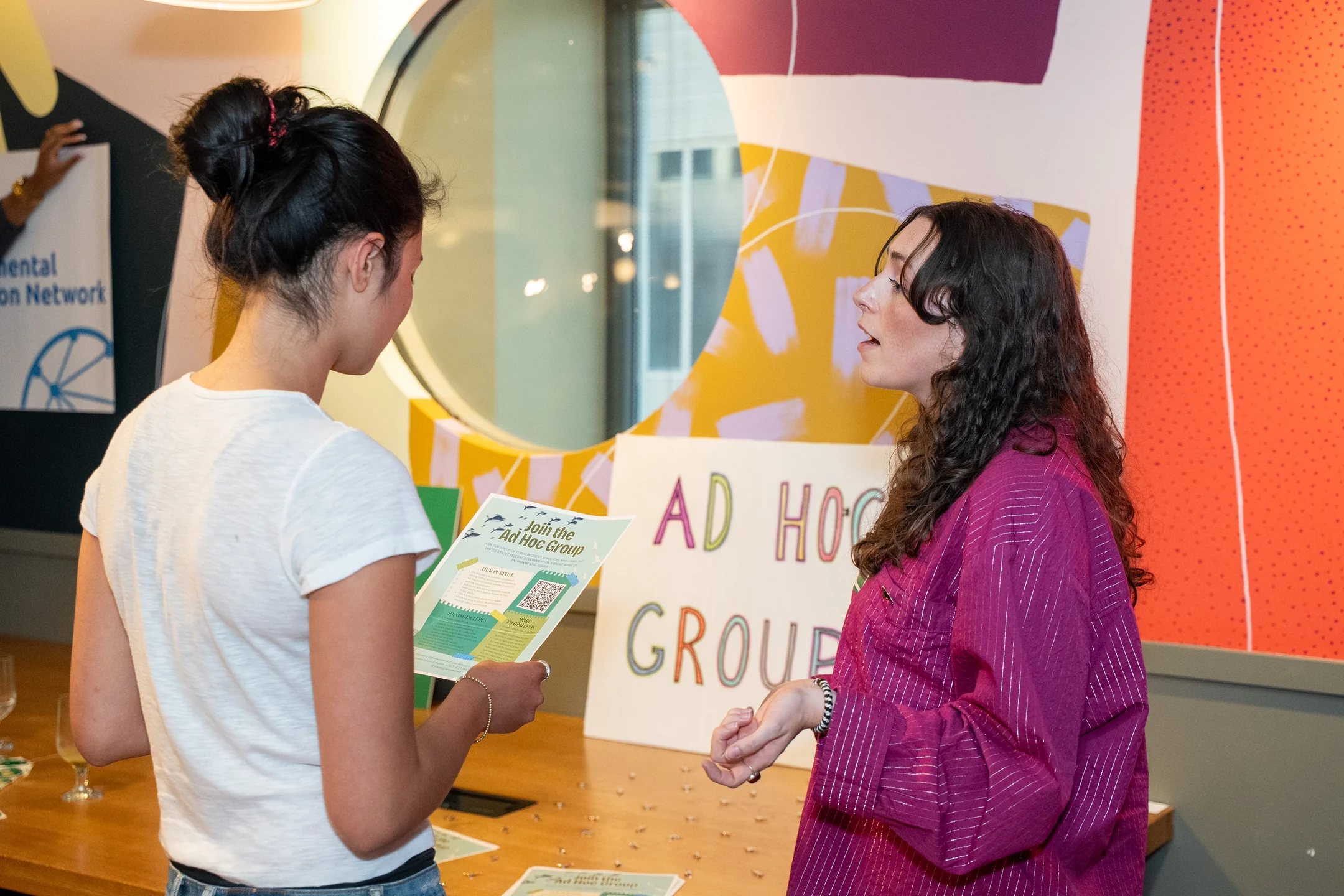
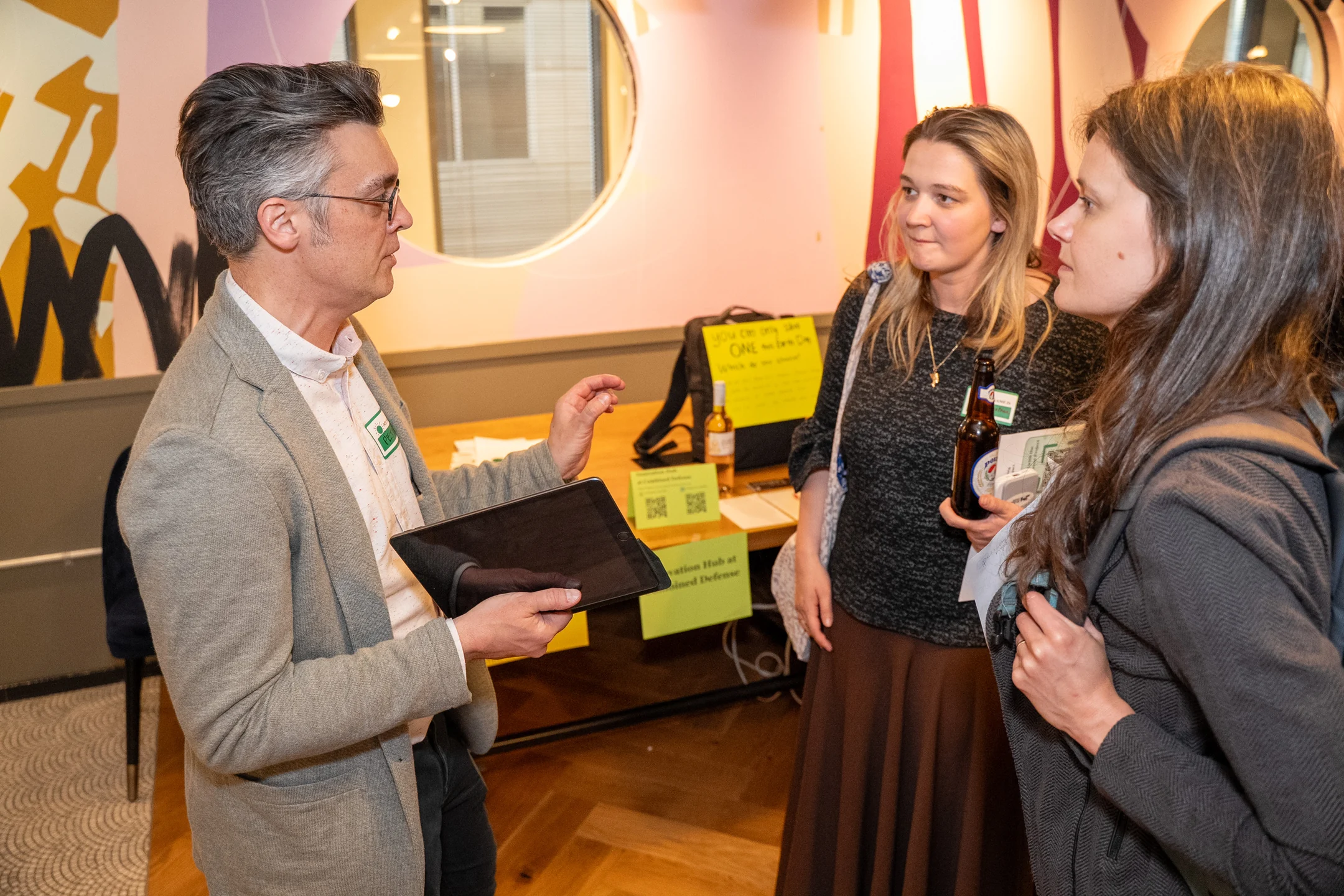
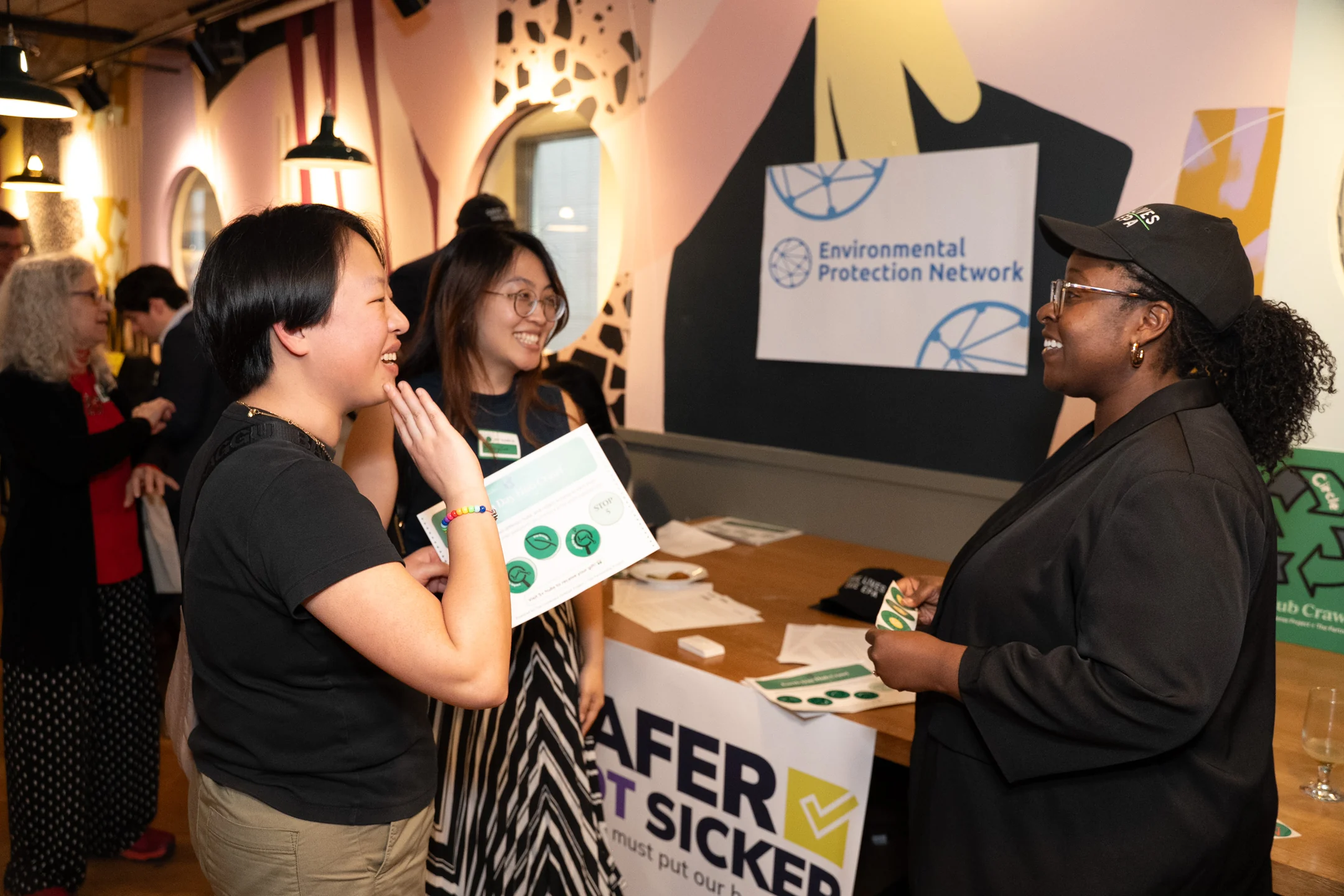
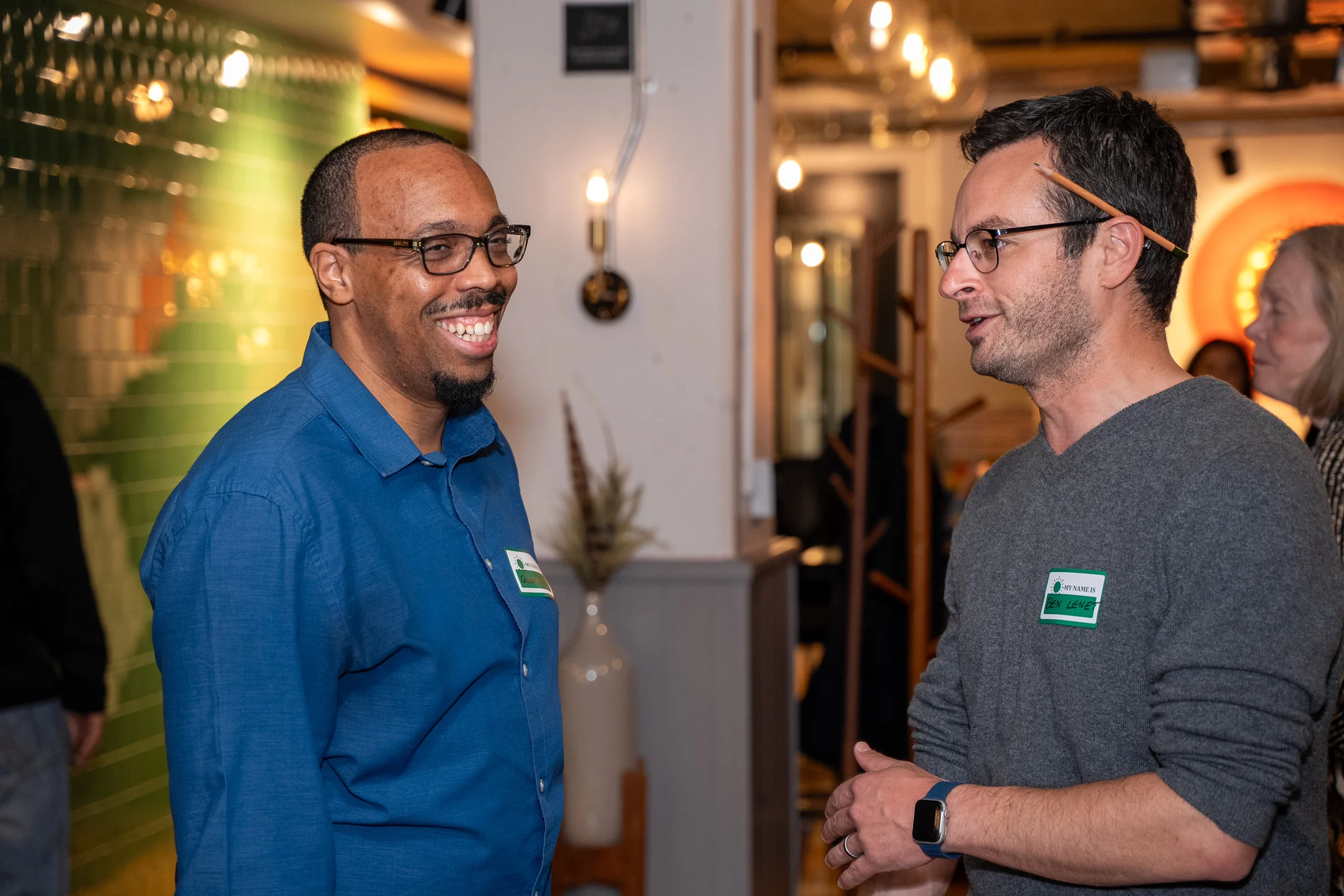
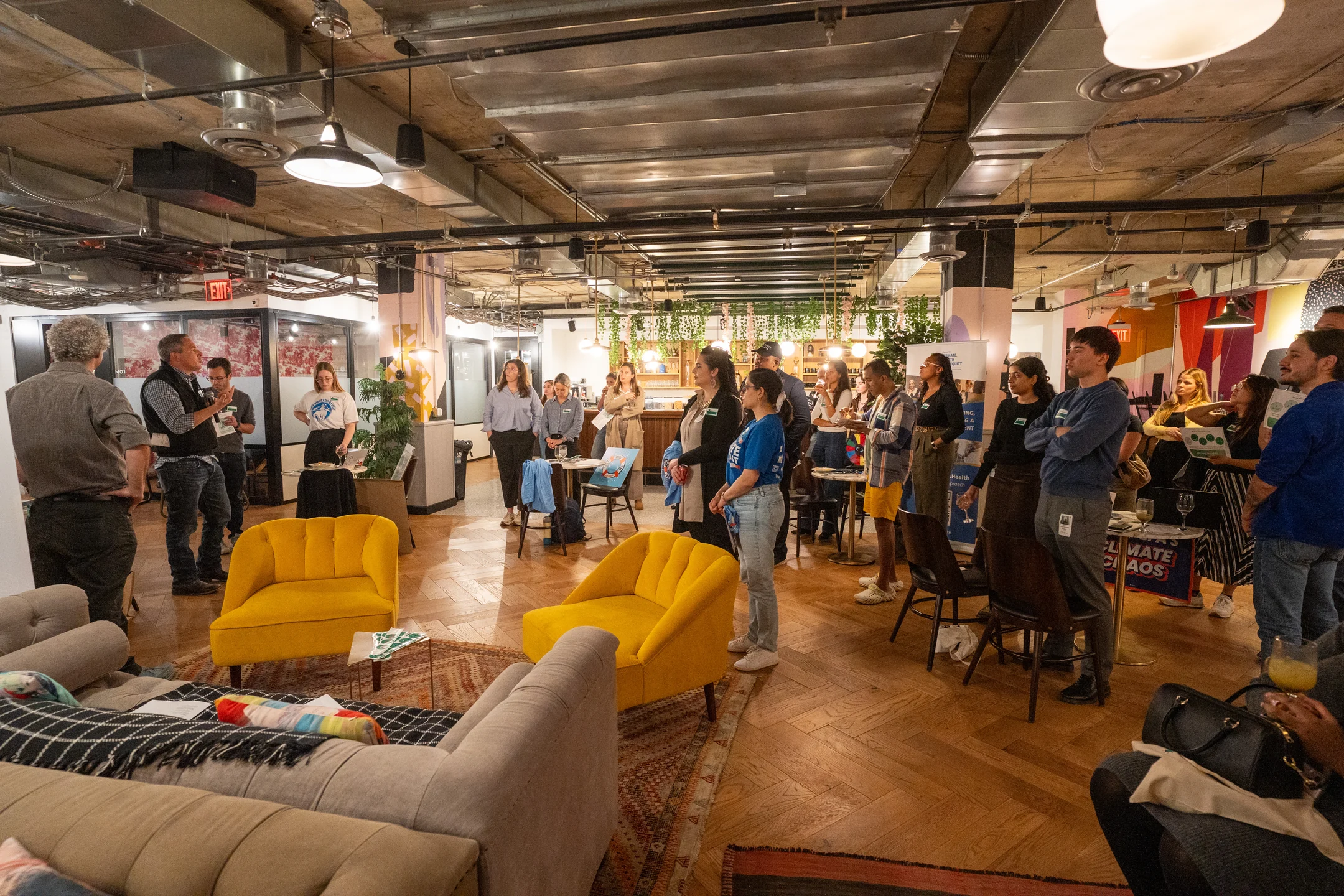
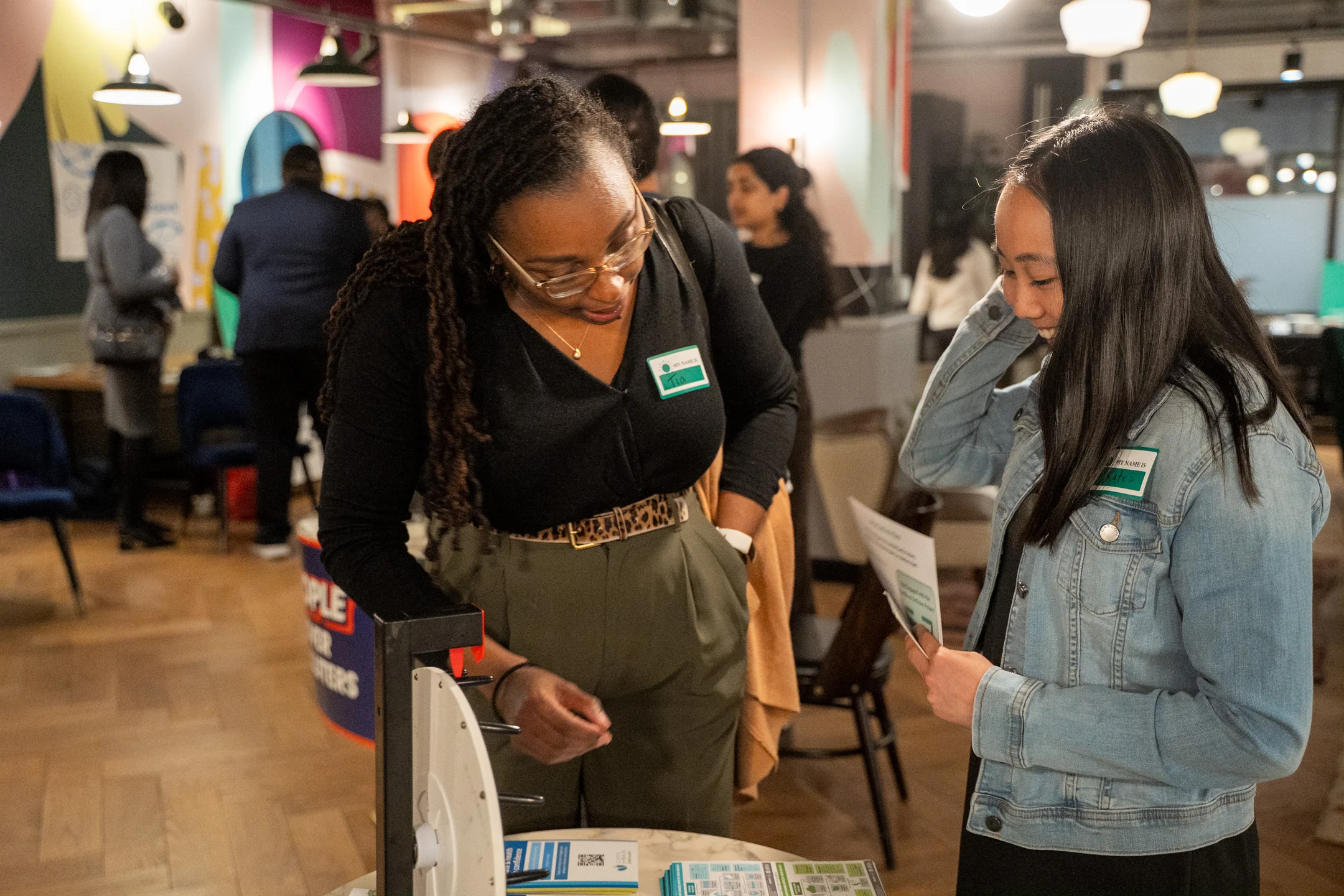
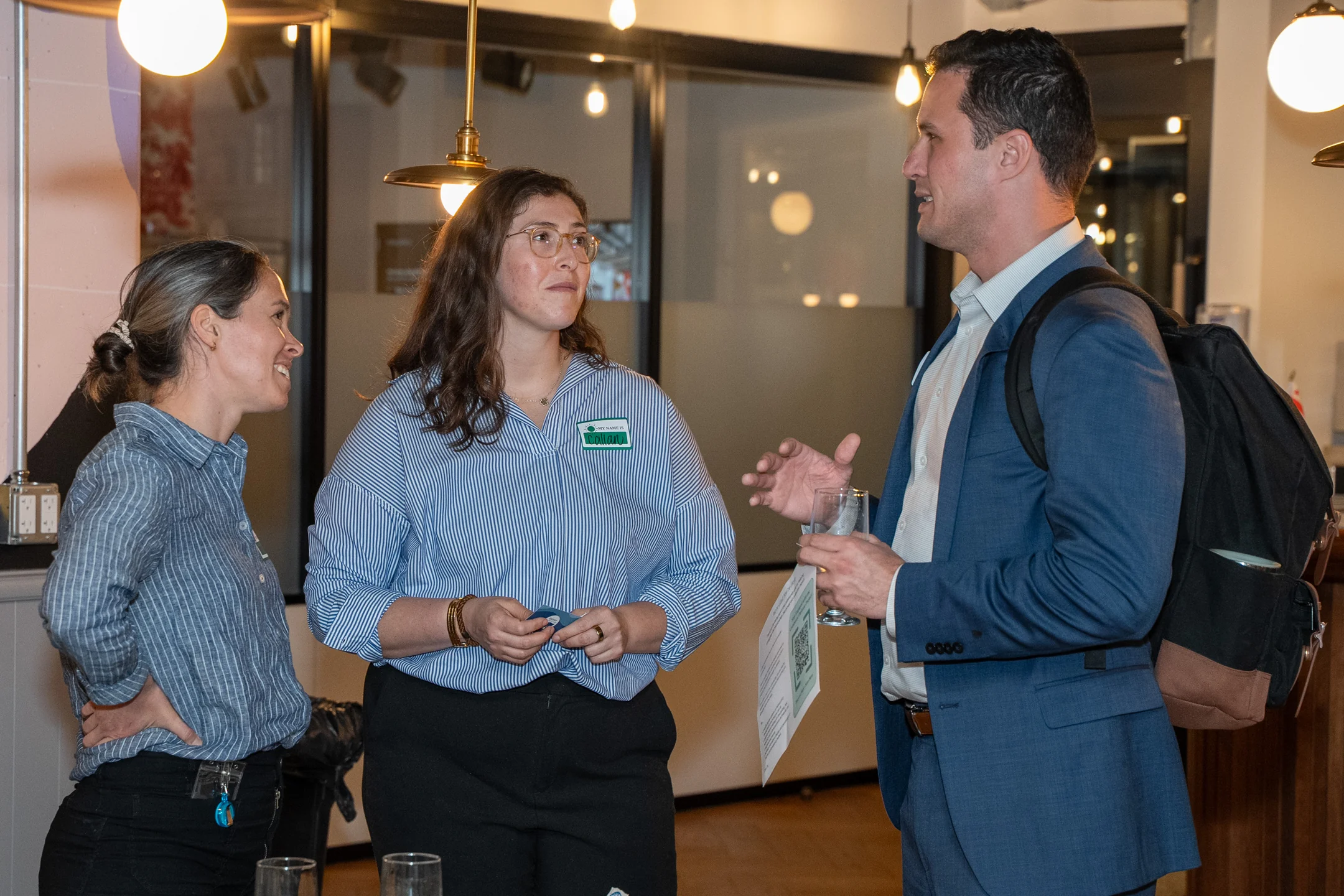
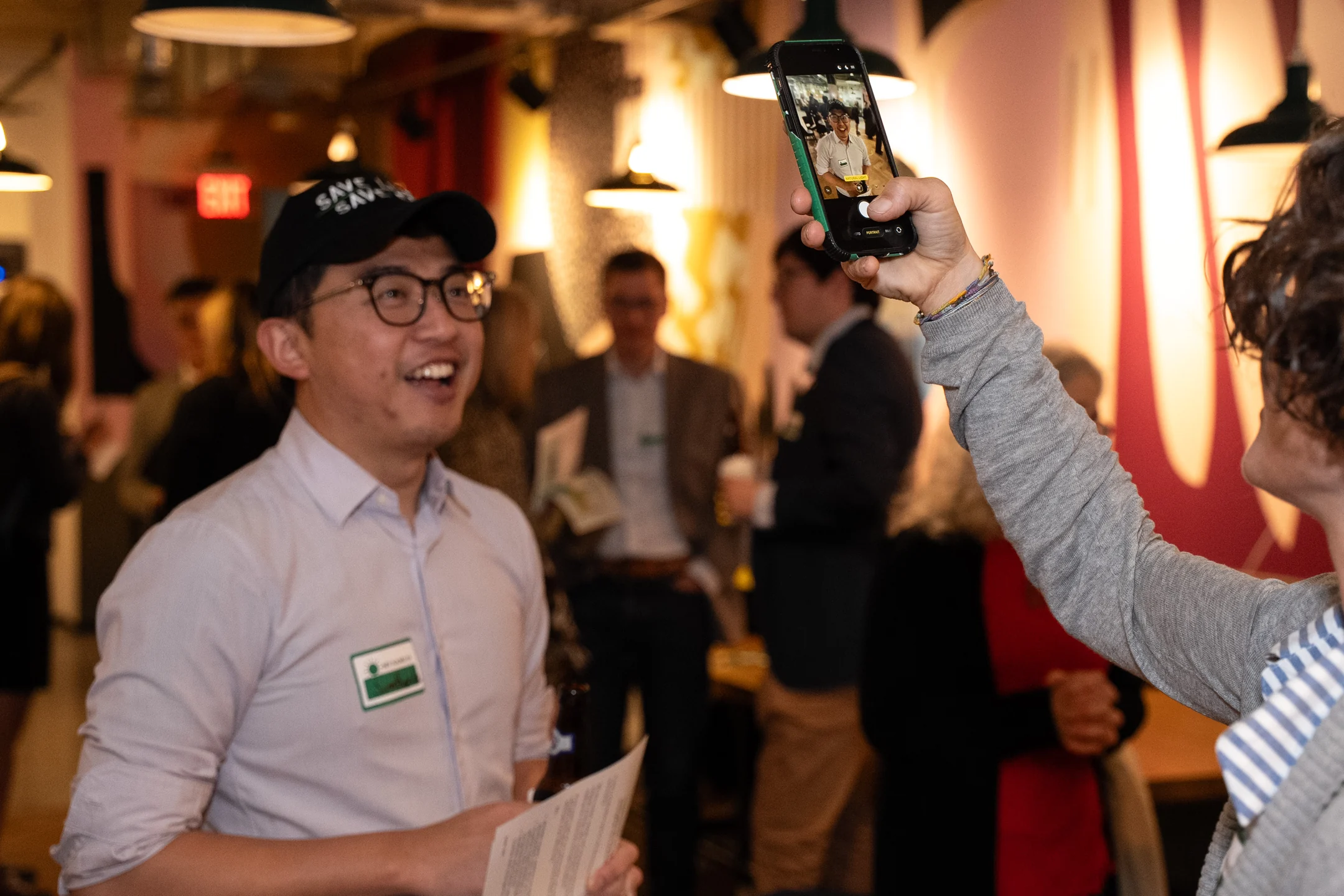
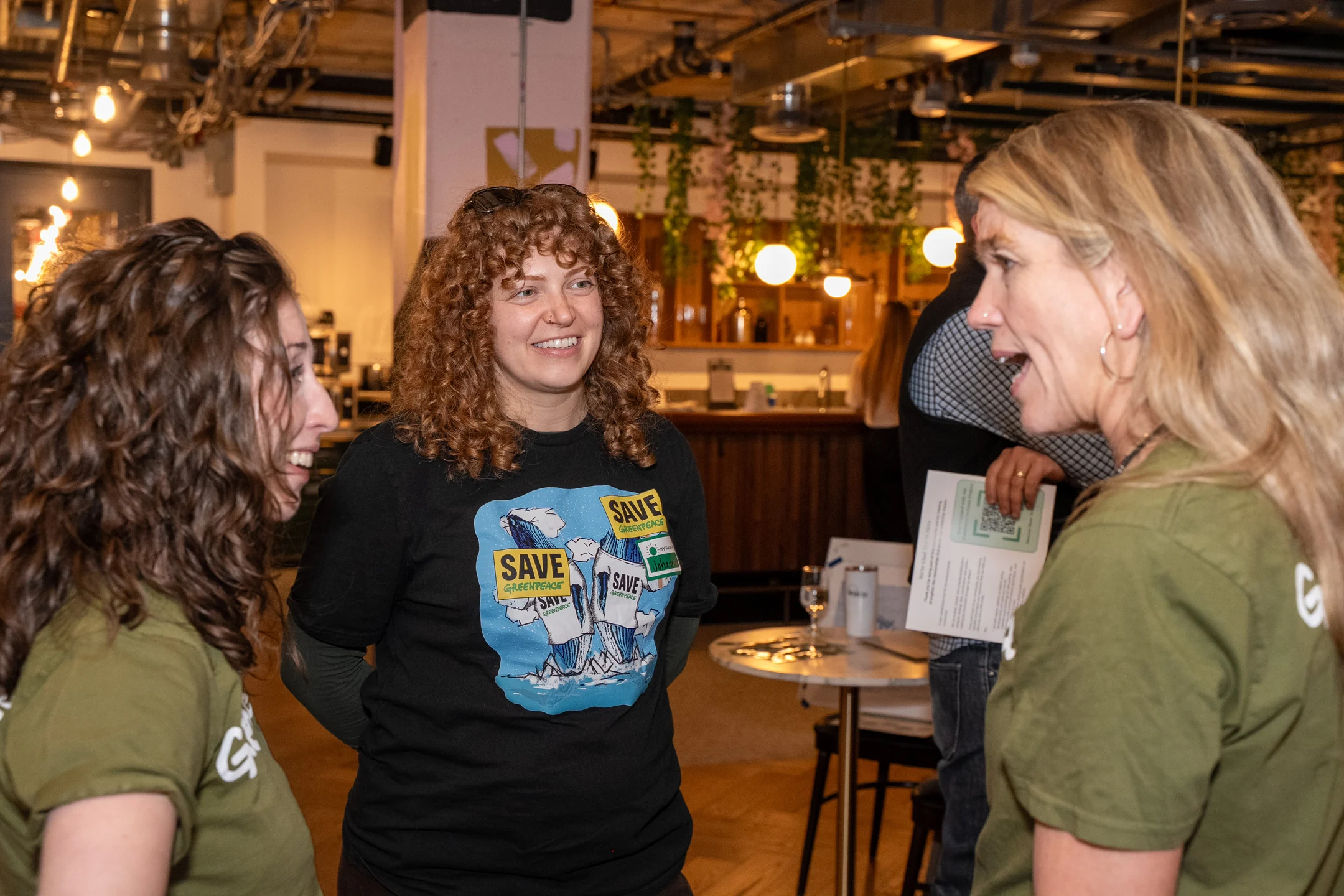
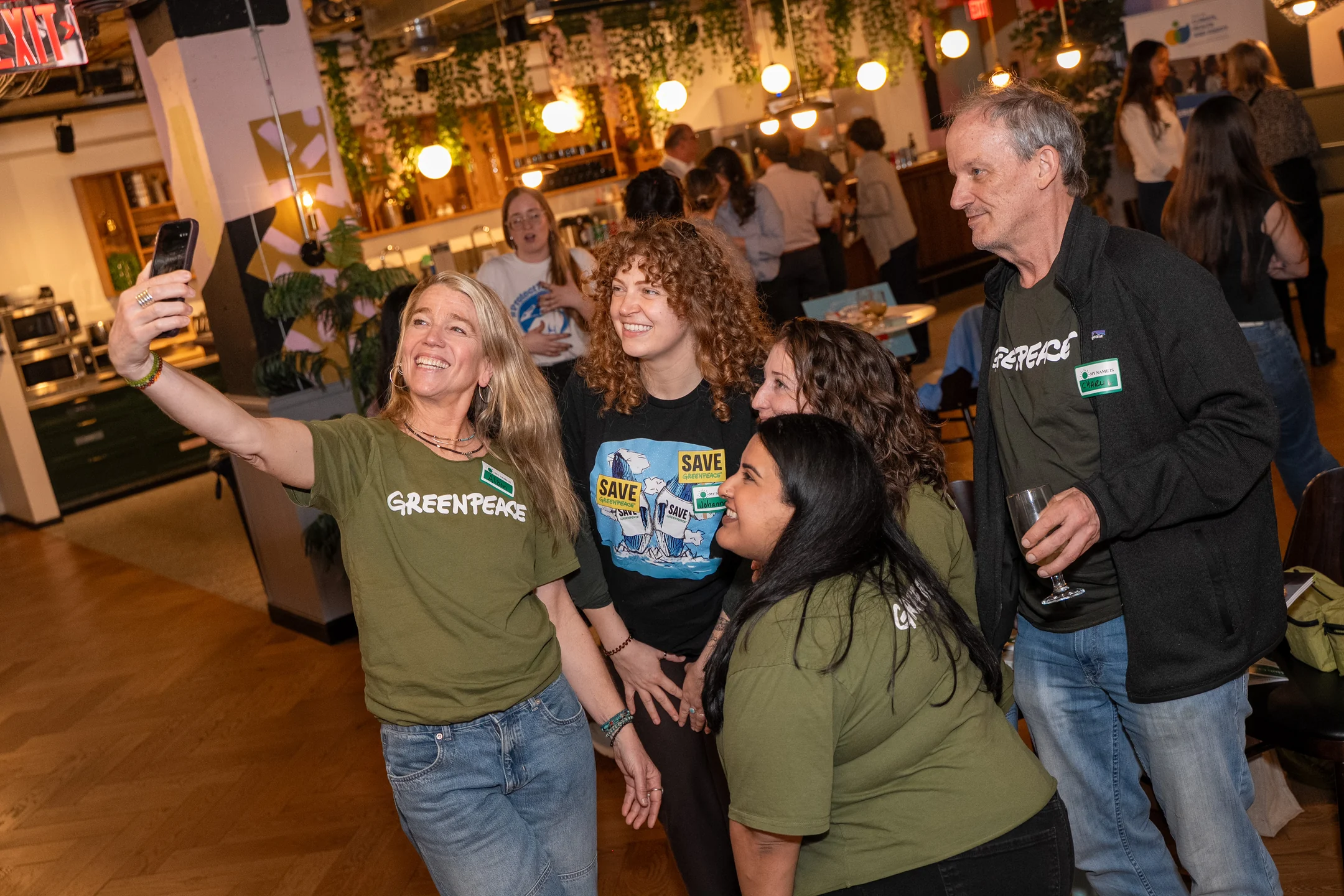
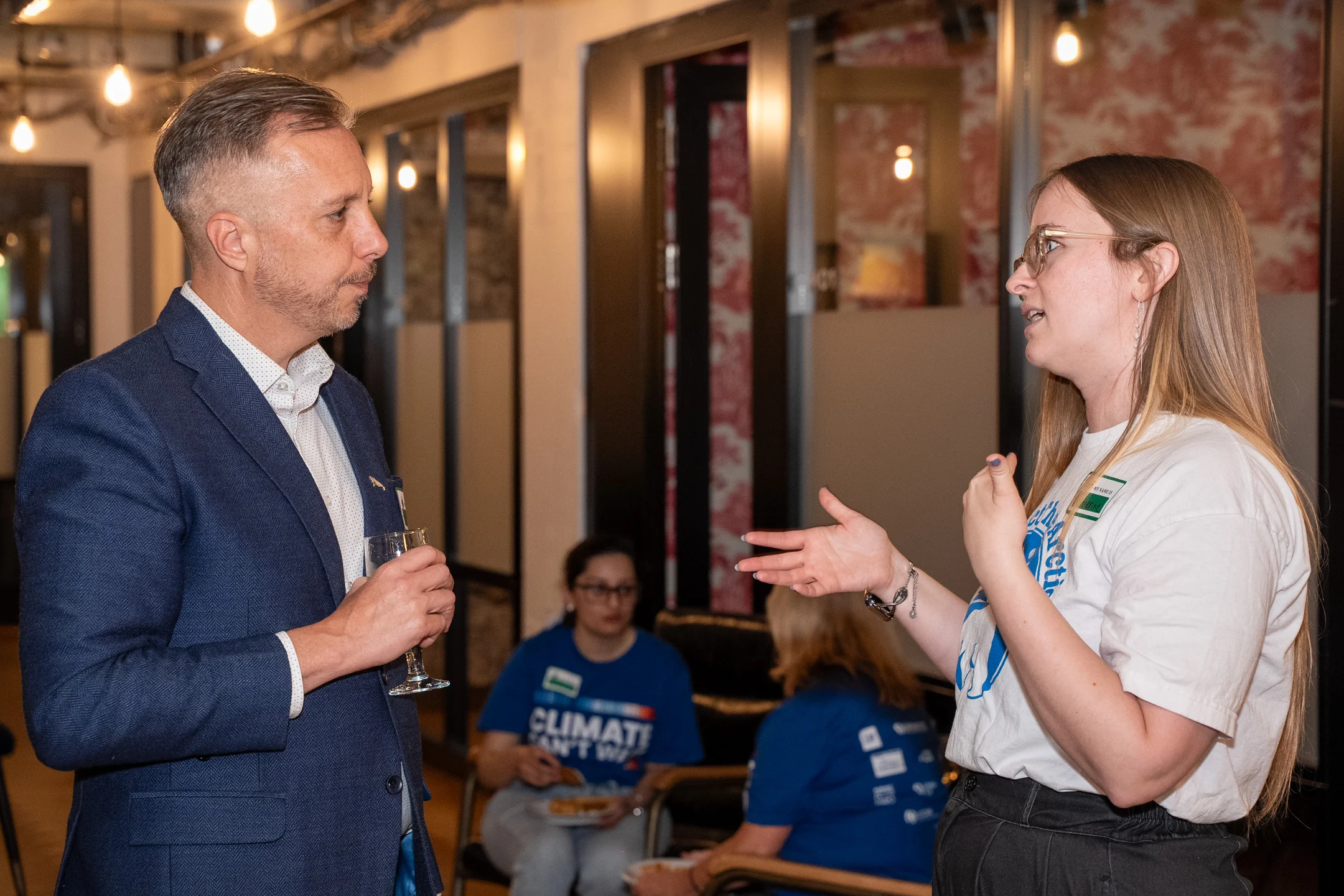
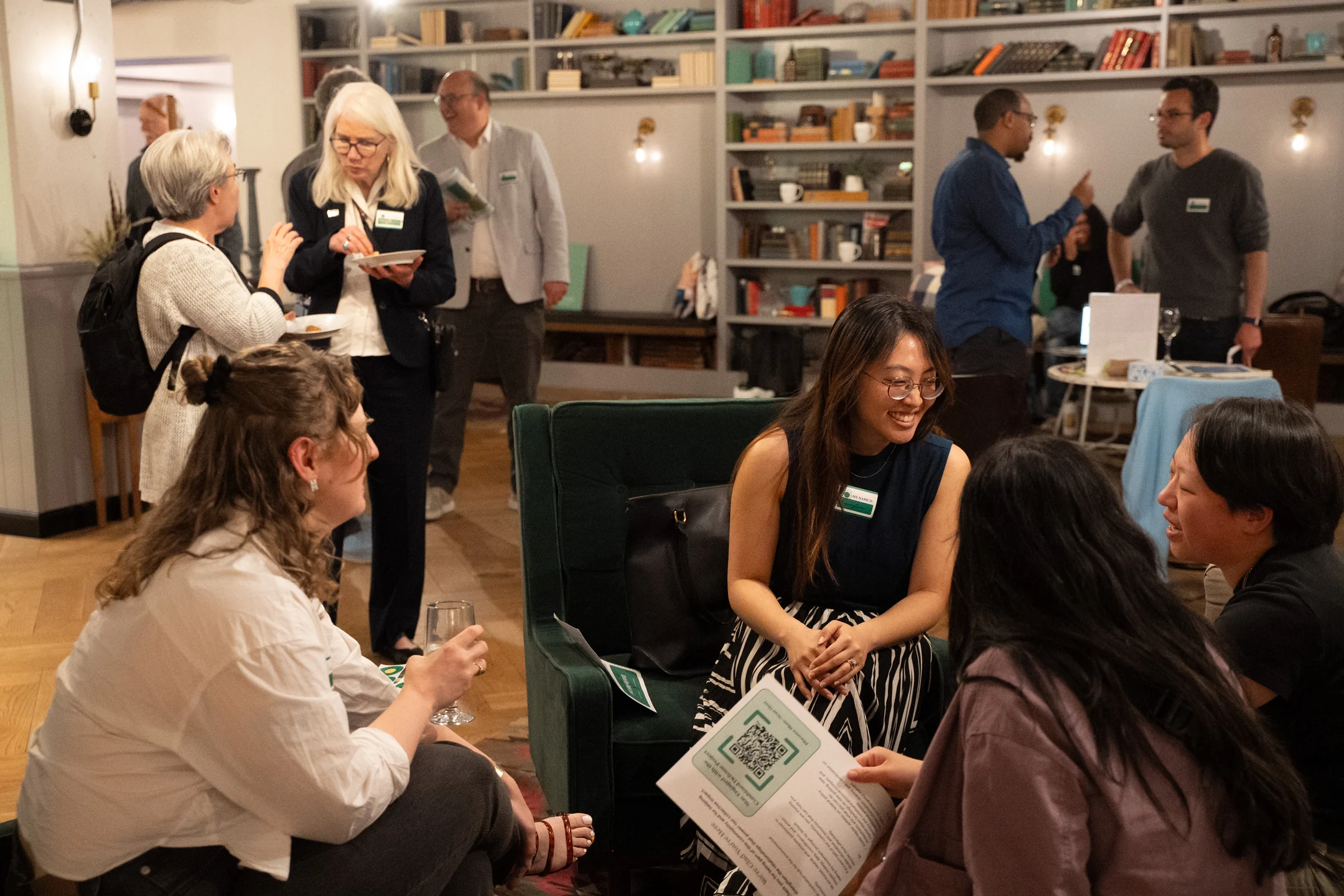
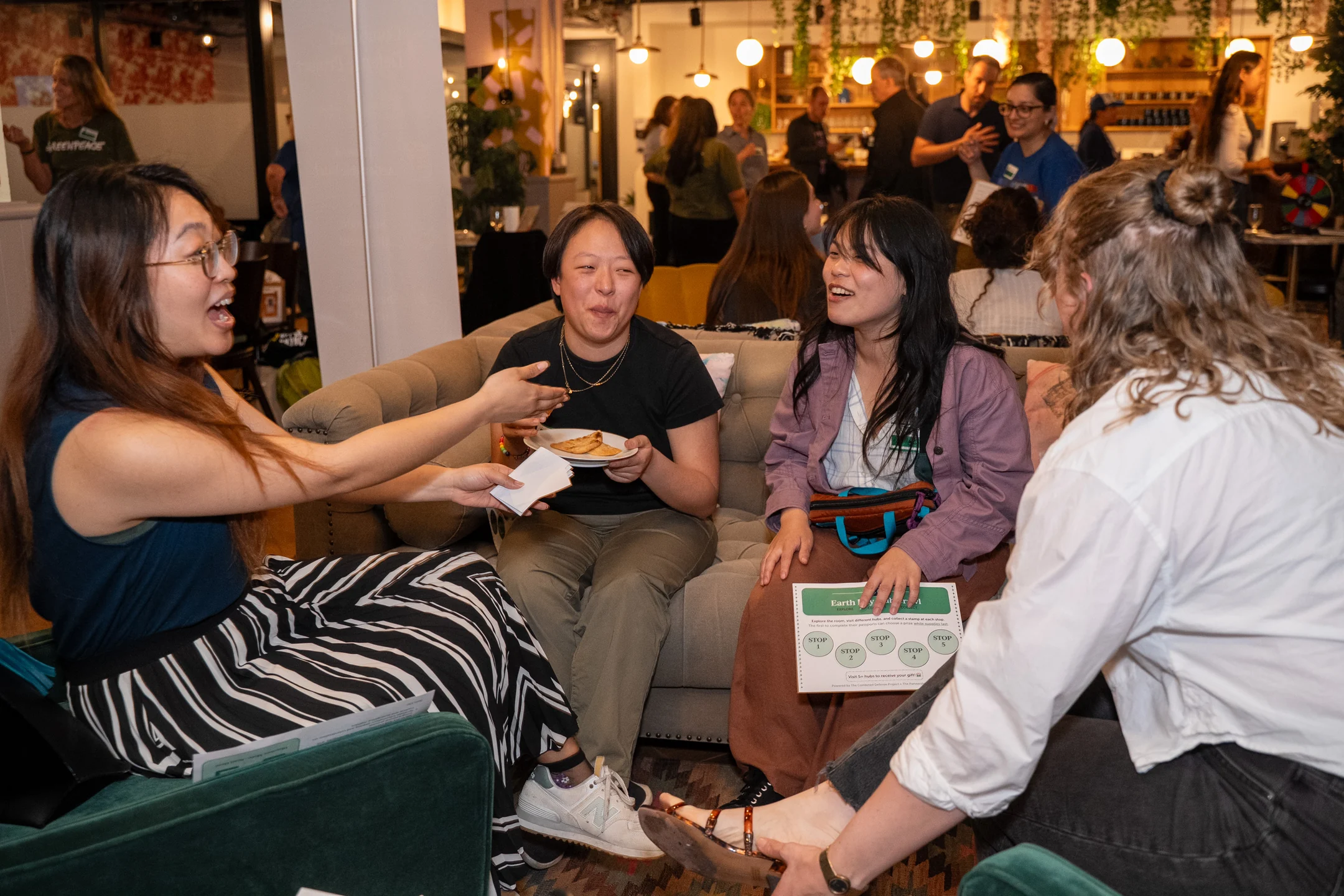
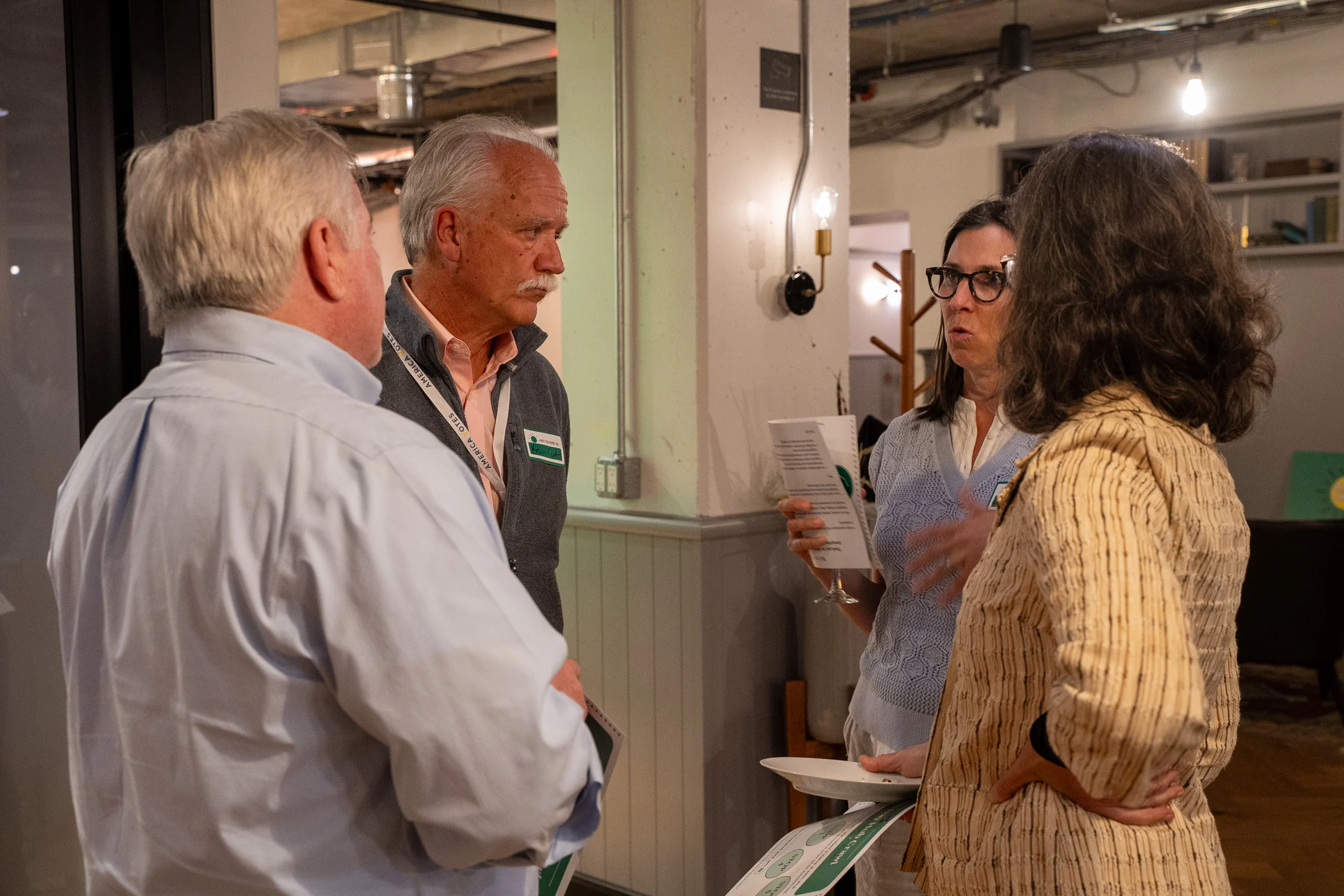
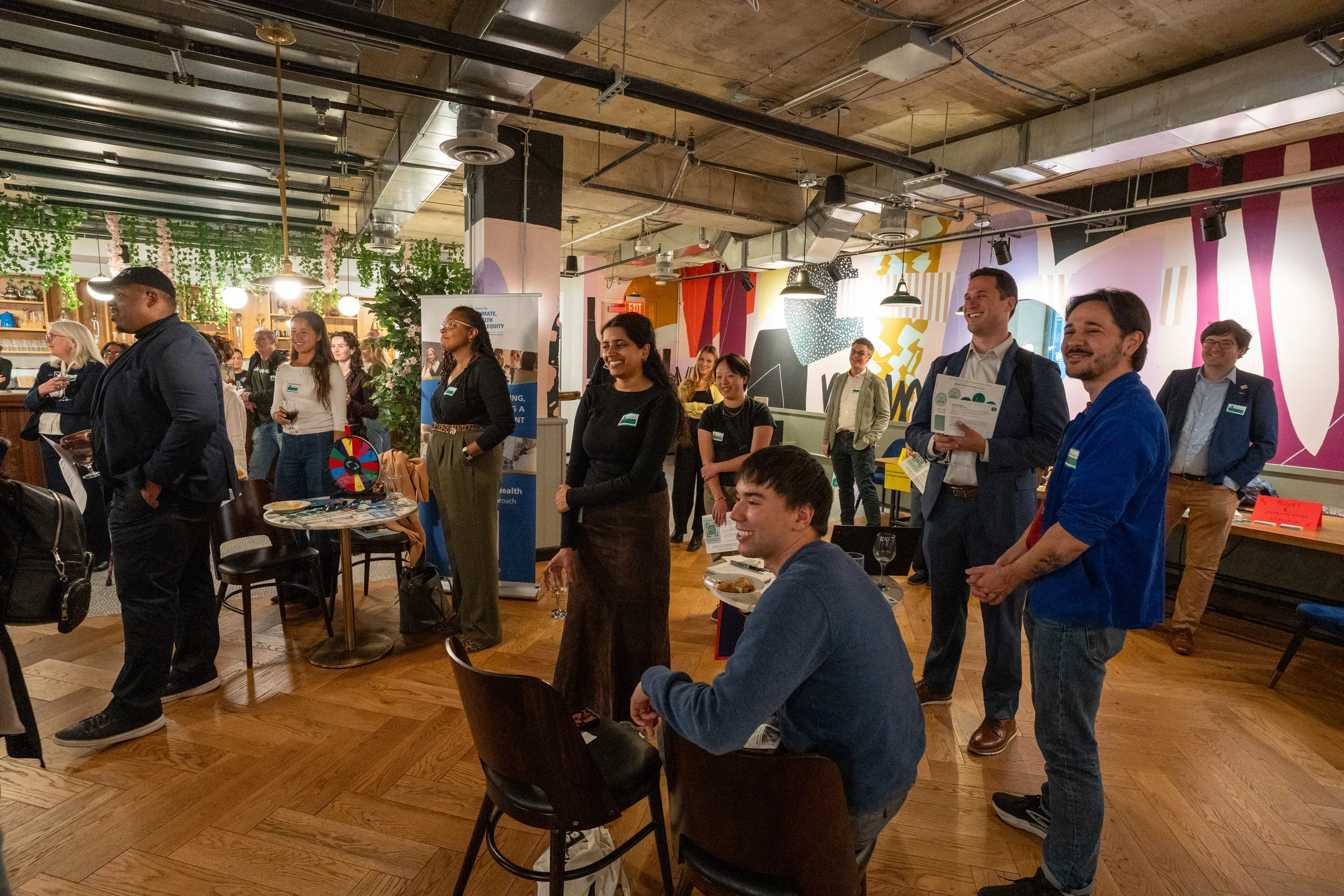
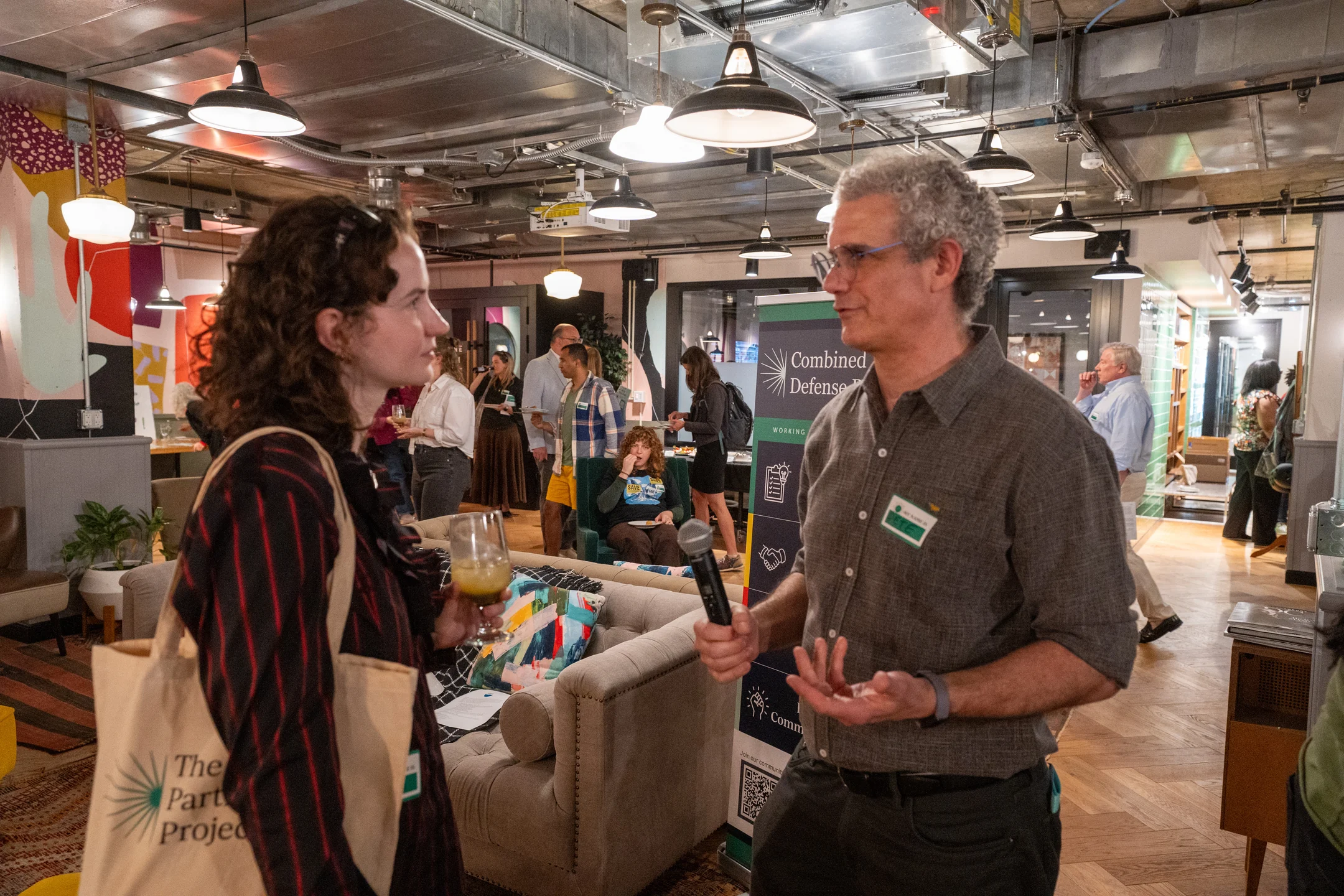
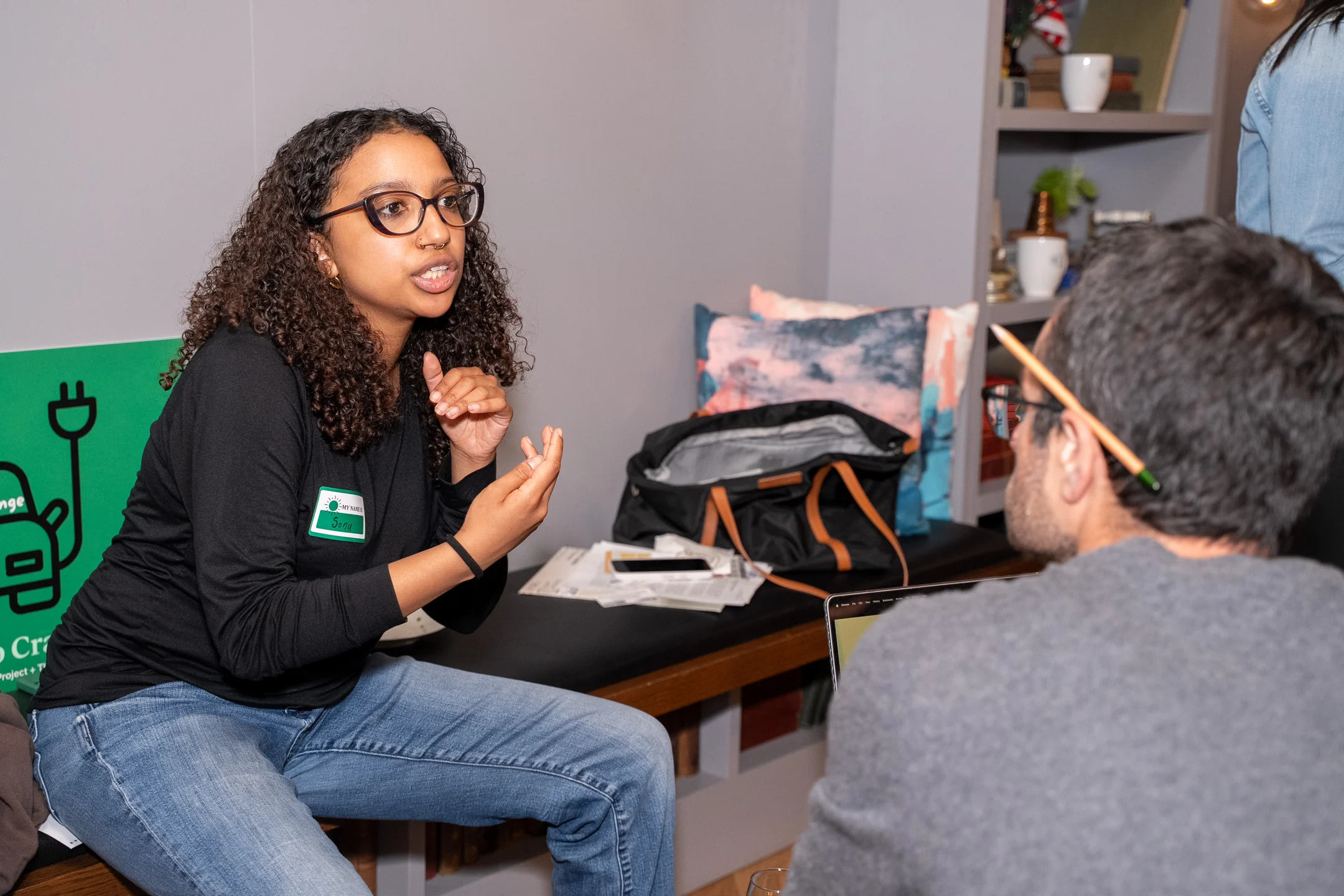
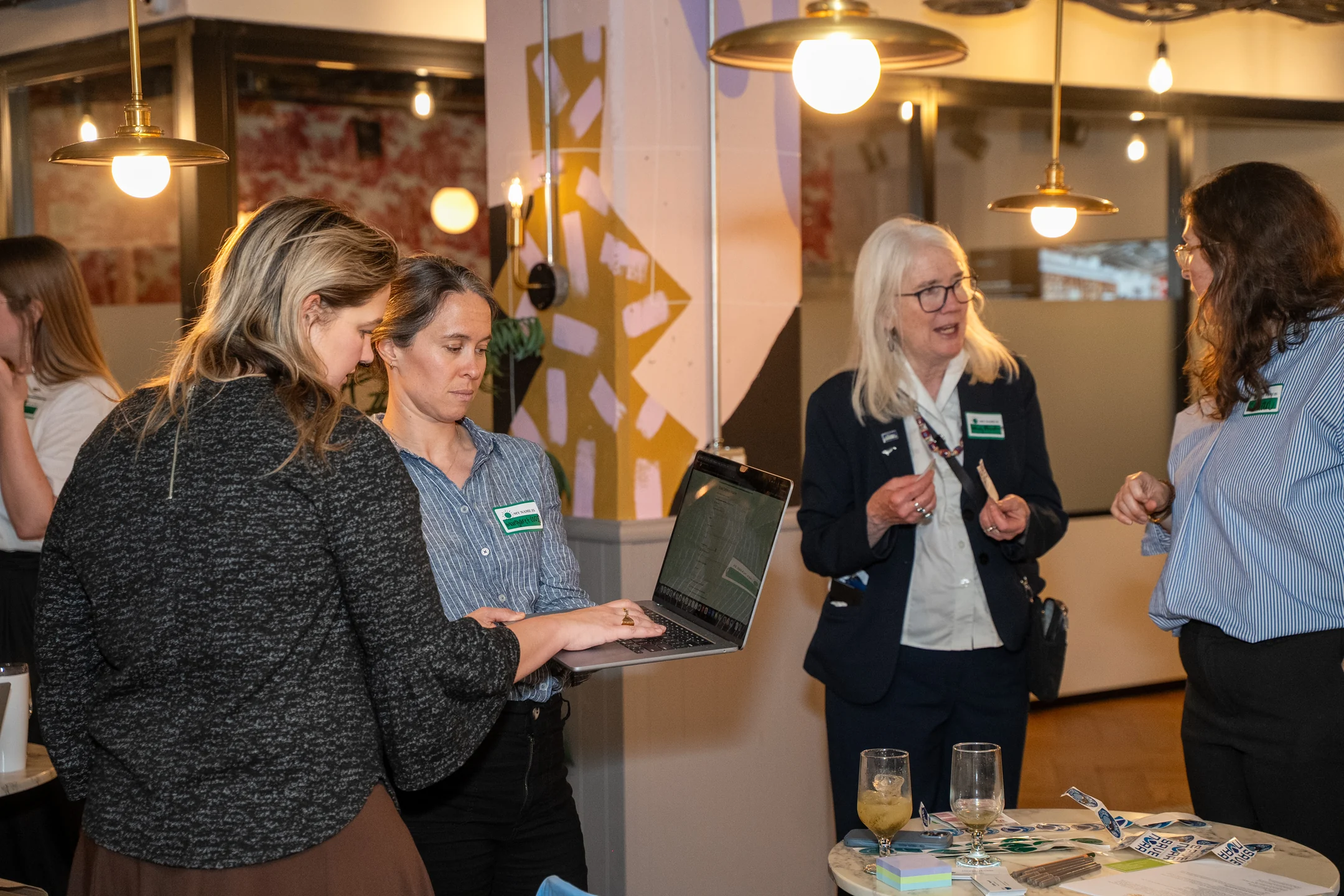
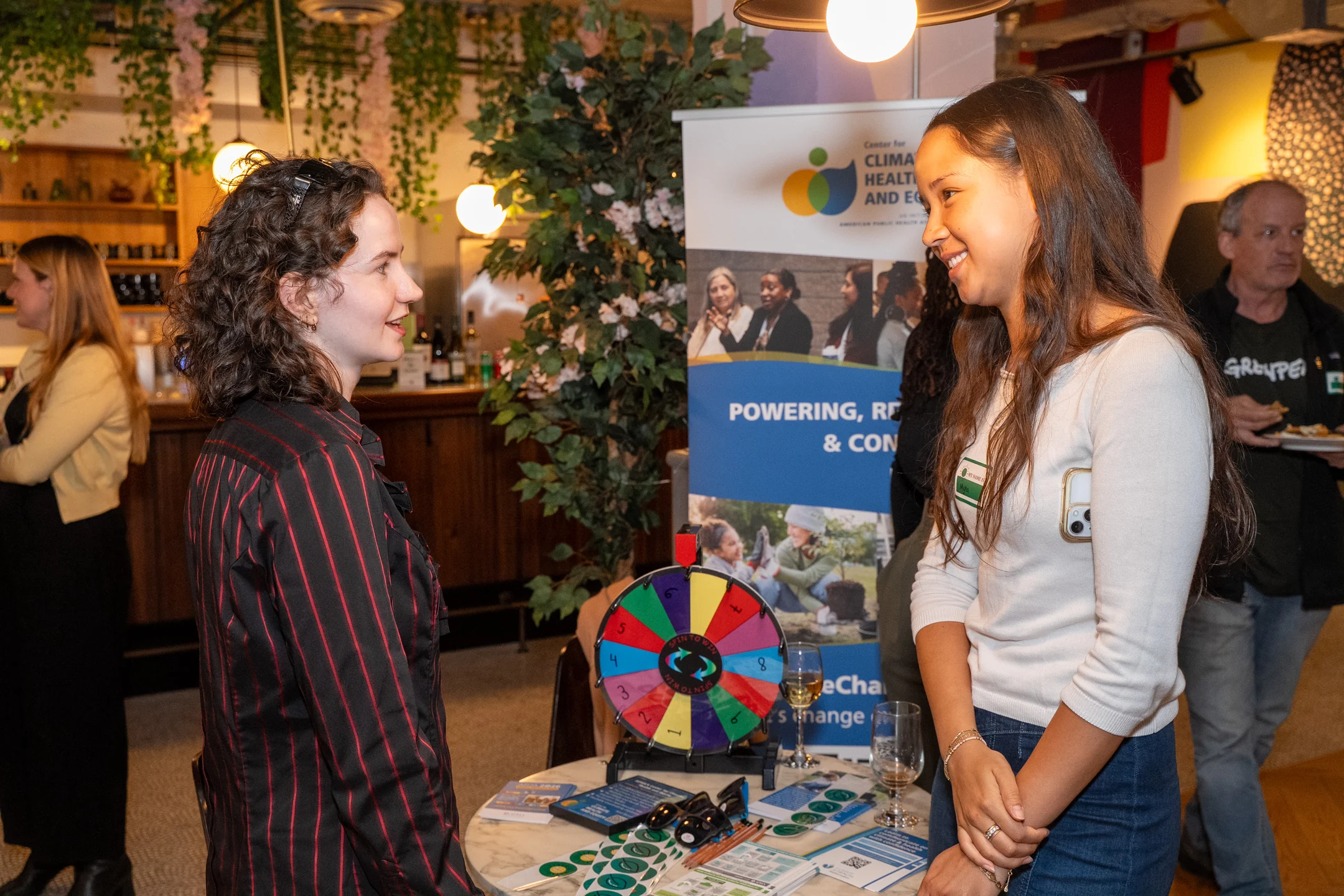
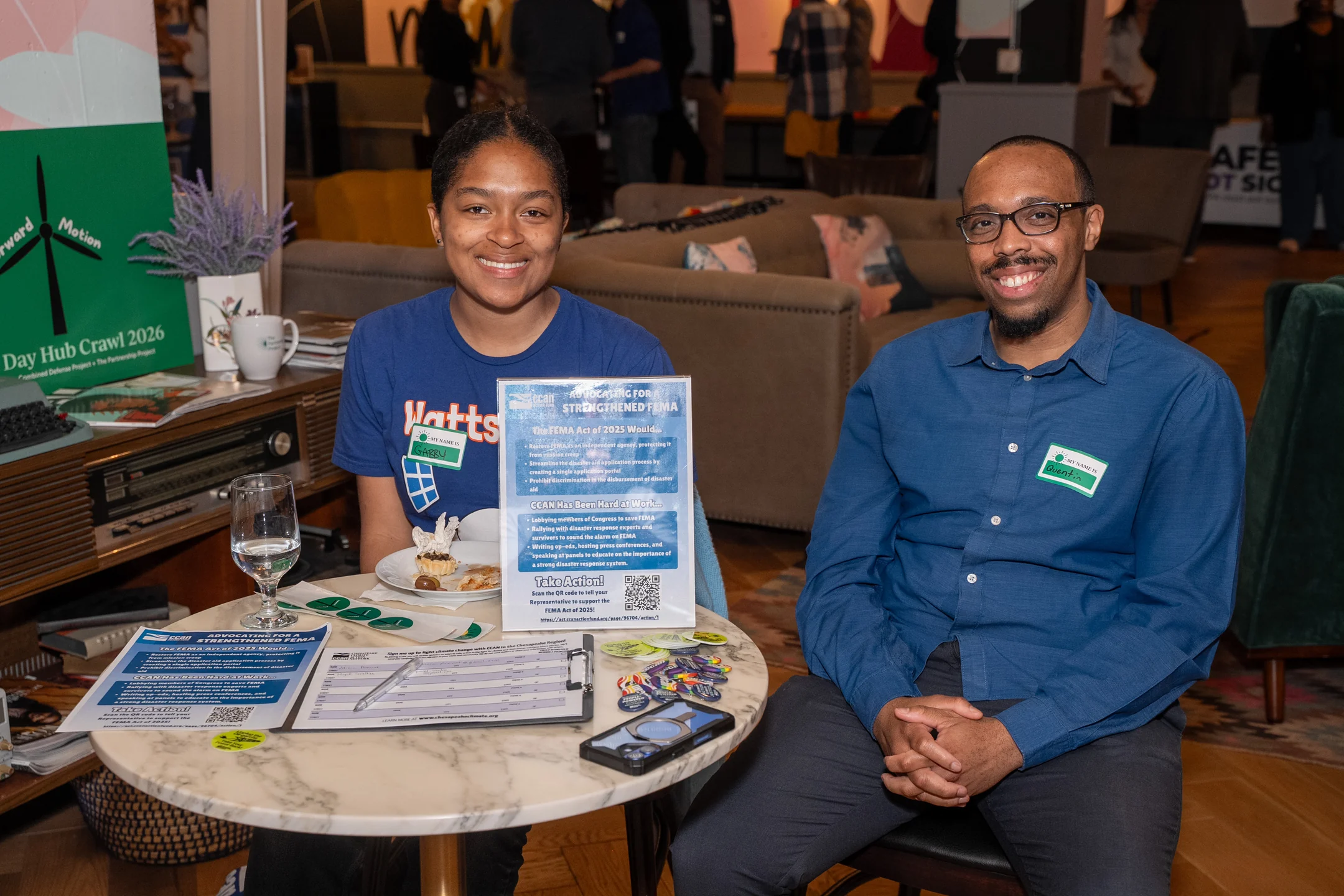
The room felt active, warm, and collaborative. Guests gathered around hub tables, reconnected with familiar colleagues, introduced themselves to new partners, shared campaign updates, and moved naturally from one conversation to the next. Rather than remaining seated or clustering only within familiar groups, attendees circulated throughout the space with curiosity and purpose.
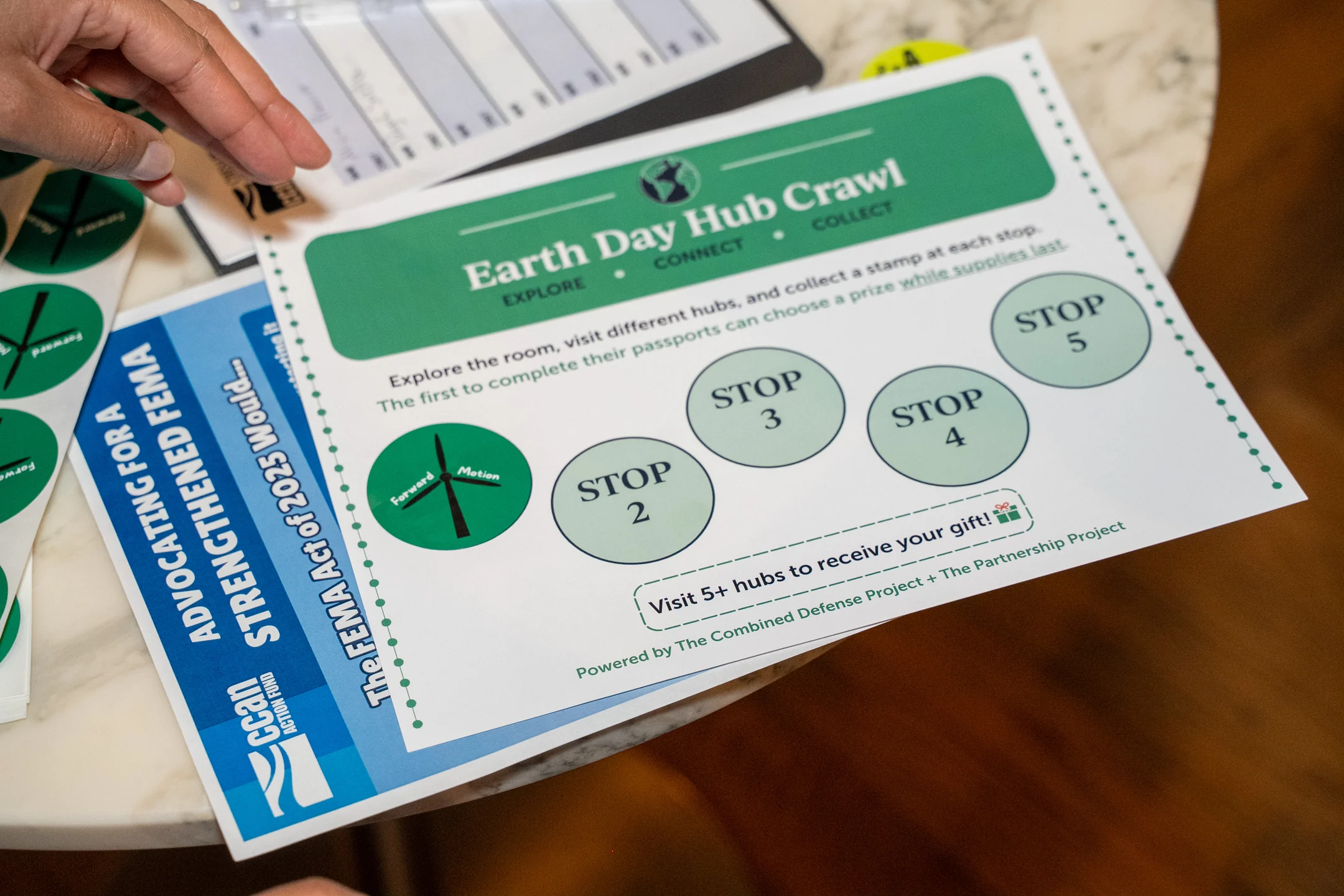
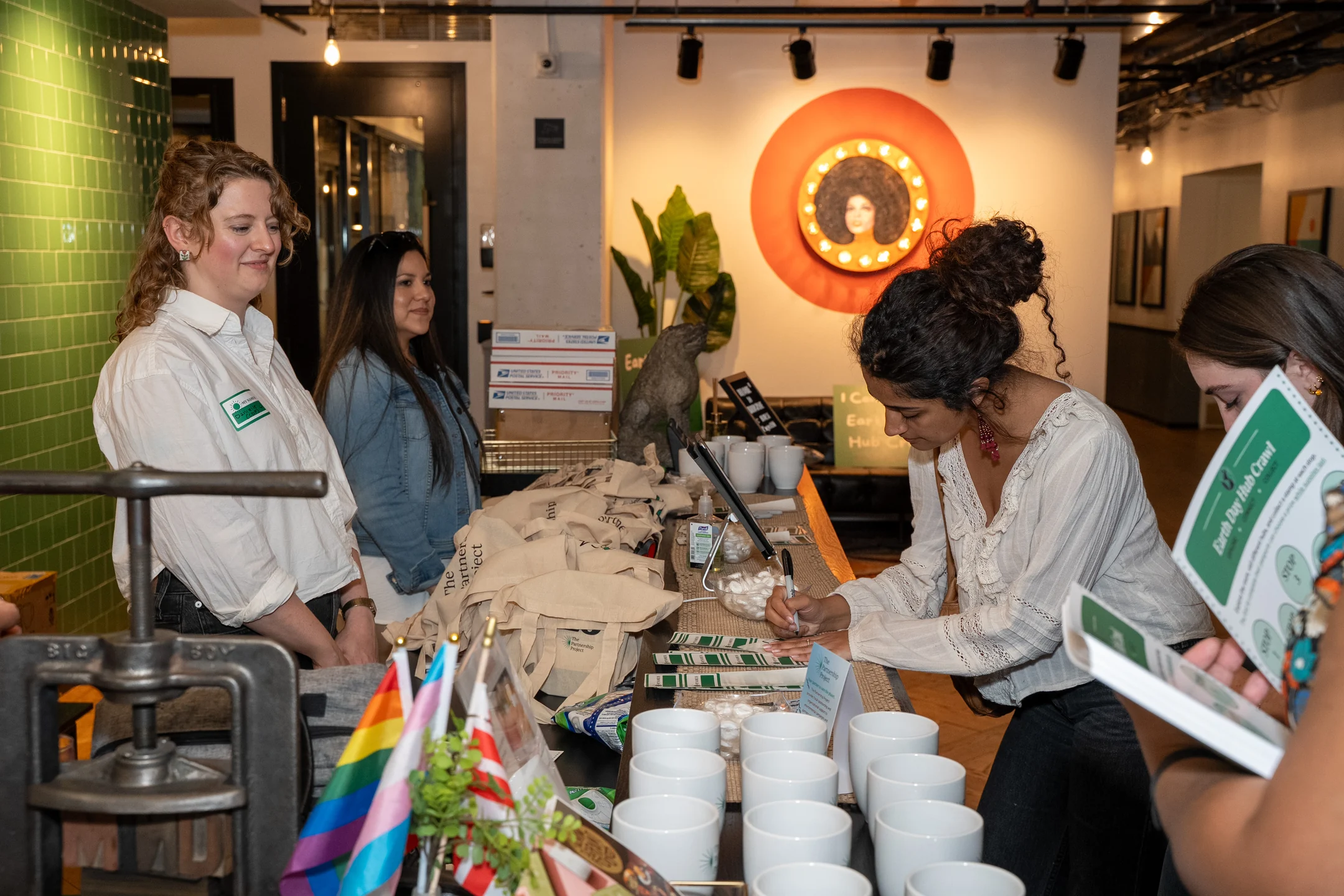
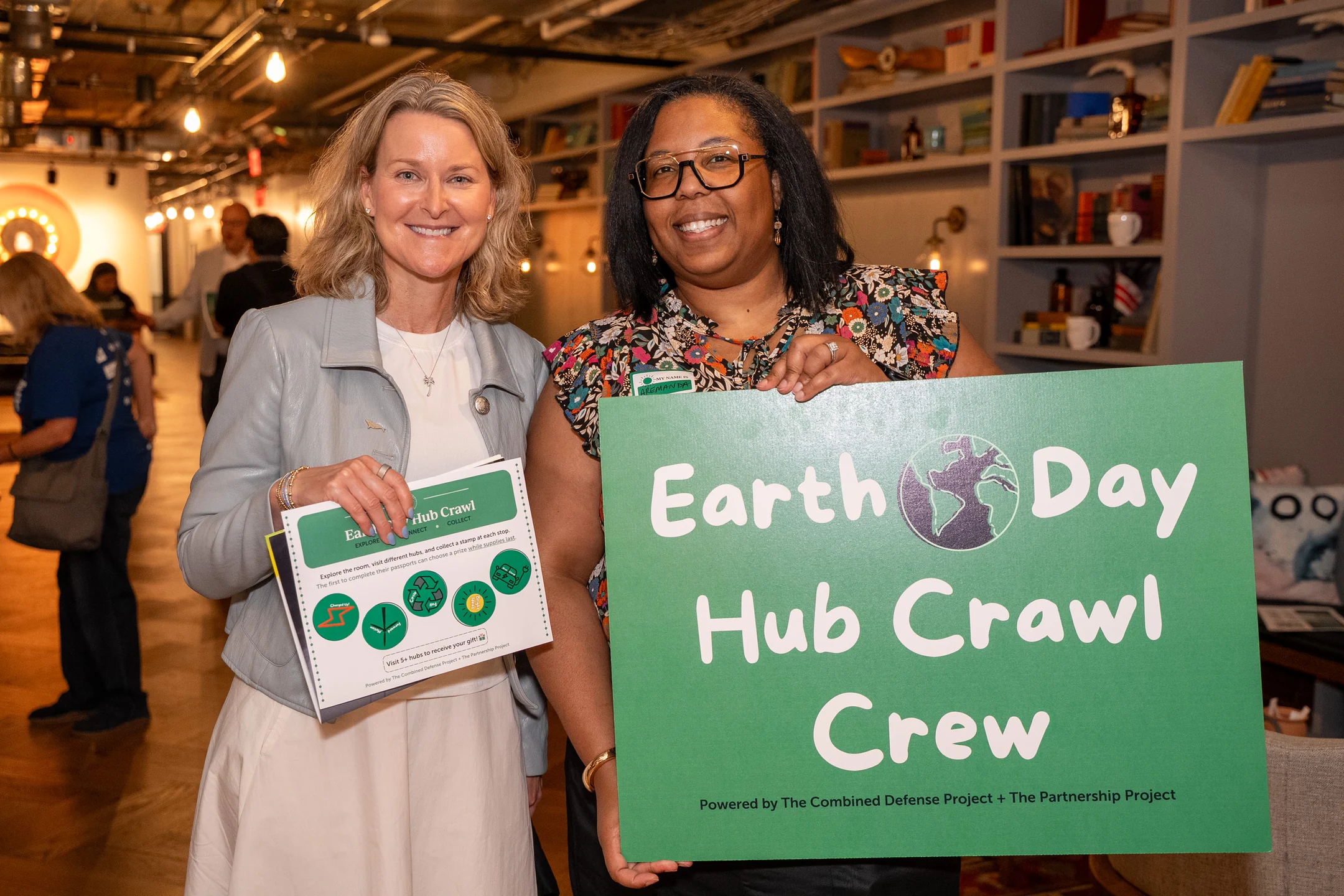
The Hub Crawl passport helped support that movement.
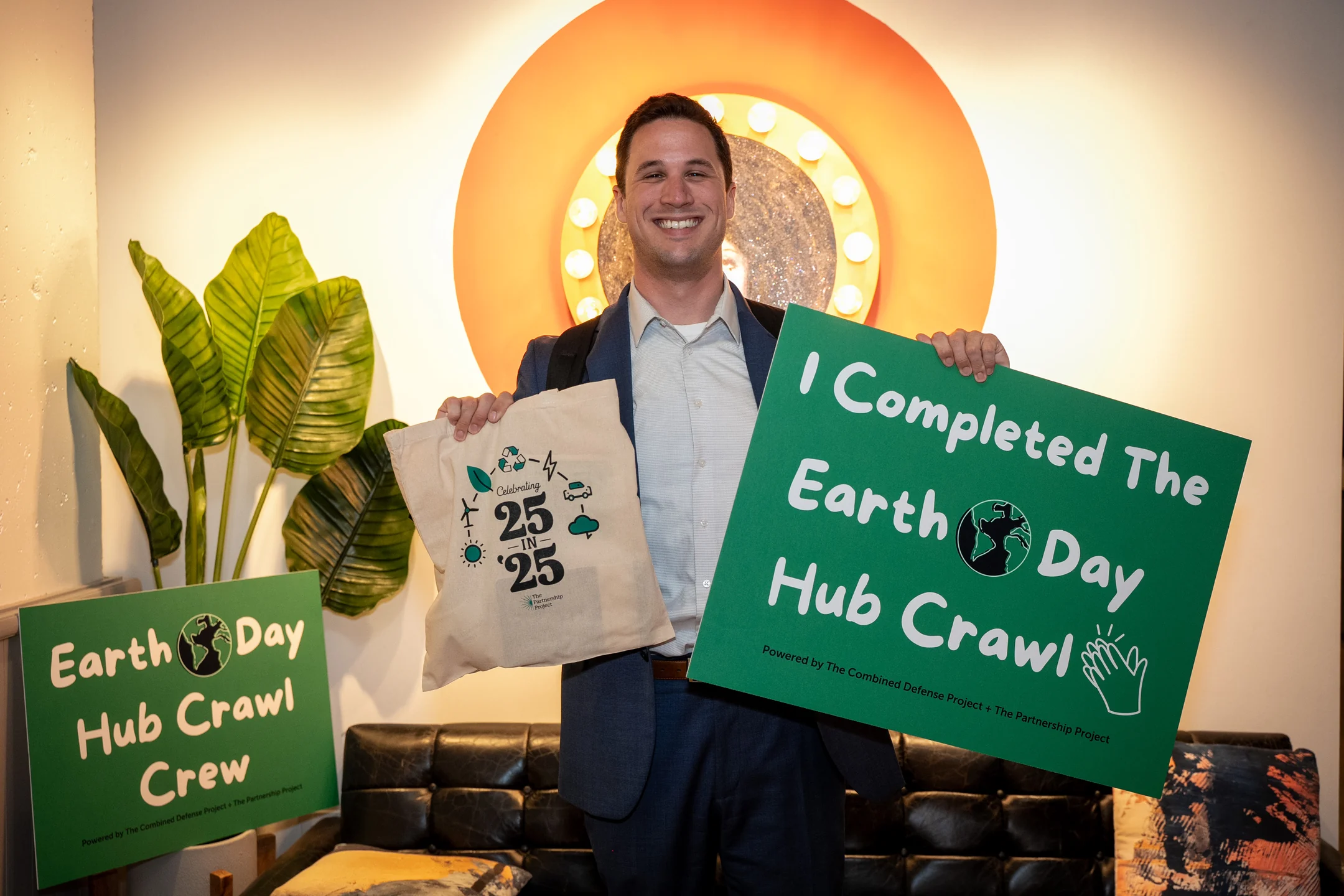
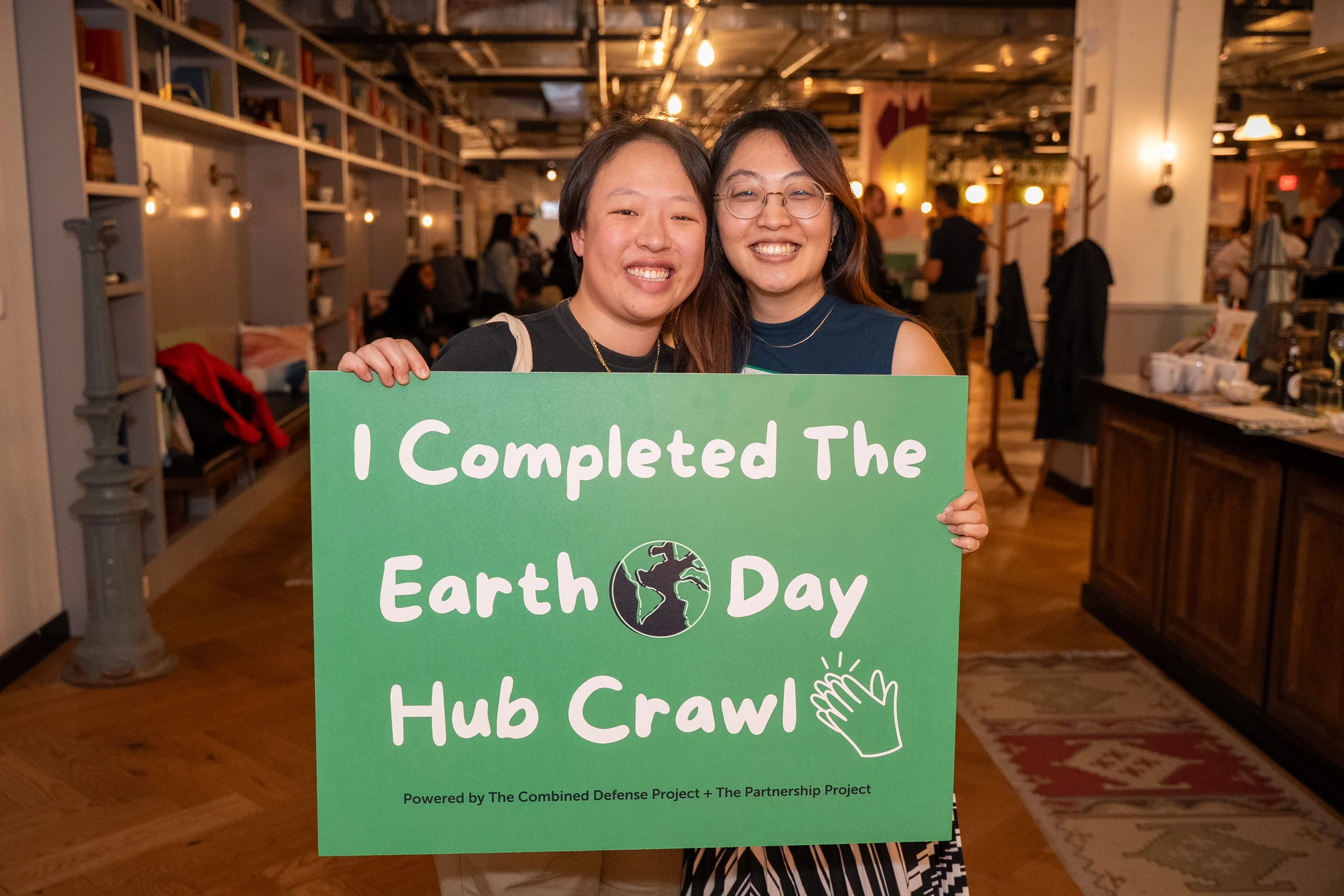
Upon arrival, guests were welcomed at the door and handed passports inviting them to explore the room by visiting hubs hosted by campaigns, projects, and advocacy organizations across the environmental movement. Participants were encouraged to make at least five stops throughout the evening to complete their passports and earn a prize.
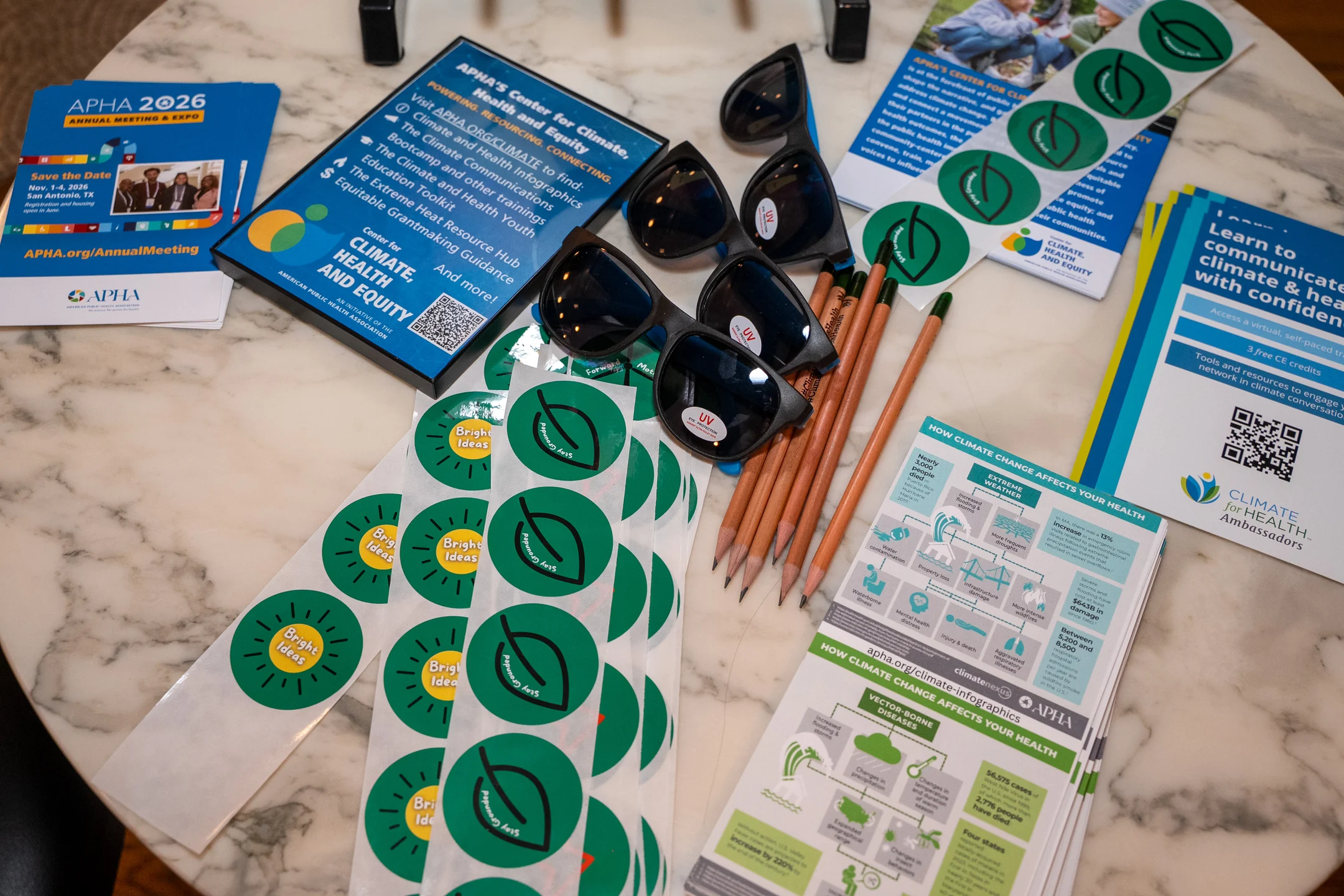
The prize table, intentionally positioned near the entrance, created a playful incentive that kept guests circulating, engaged, and returning to connect with new people throughout the night.
By the end of the evening, many guests were still deep in conversation and grateful for the opportunity to participate.
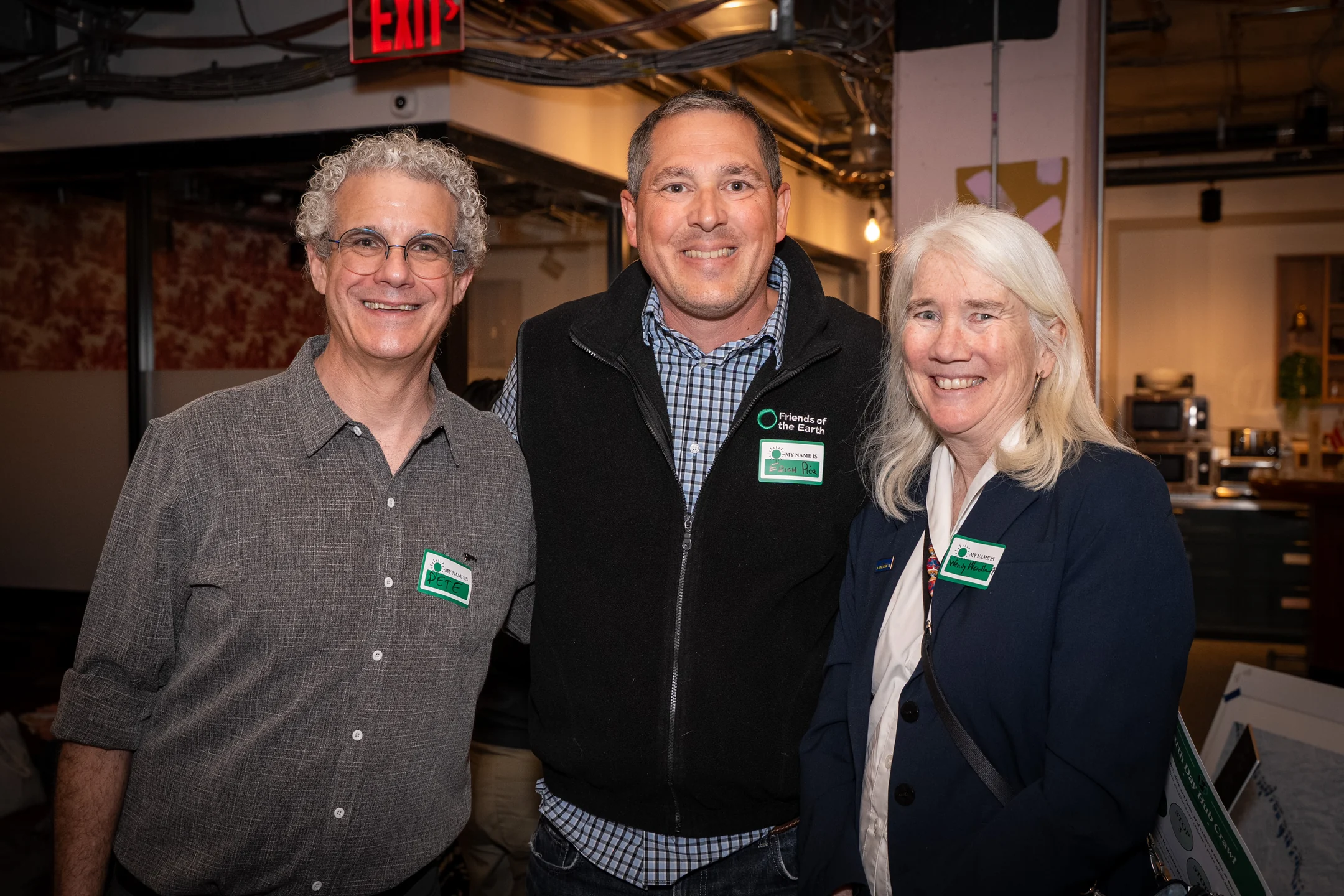
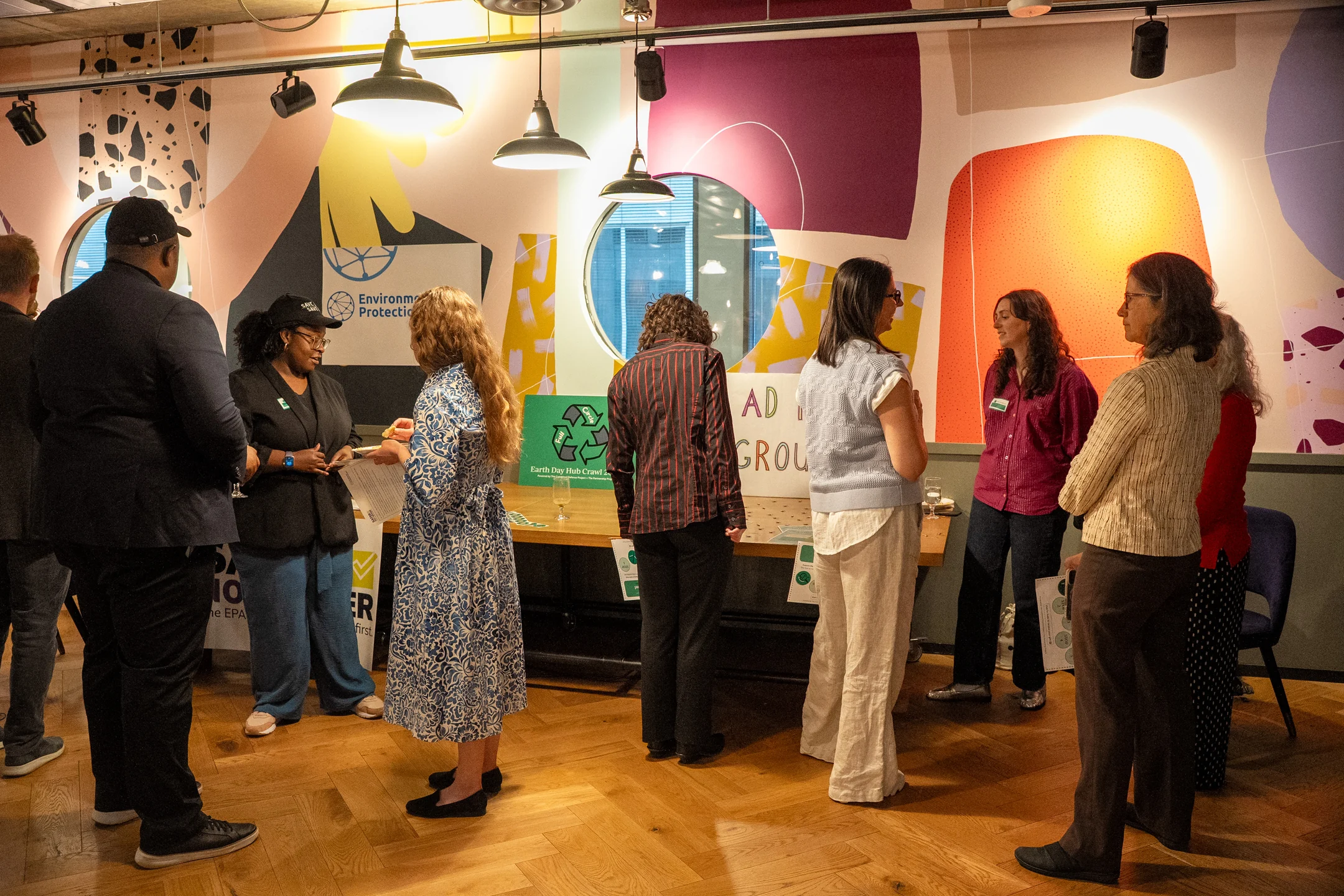
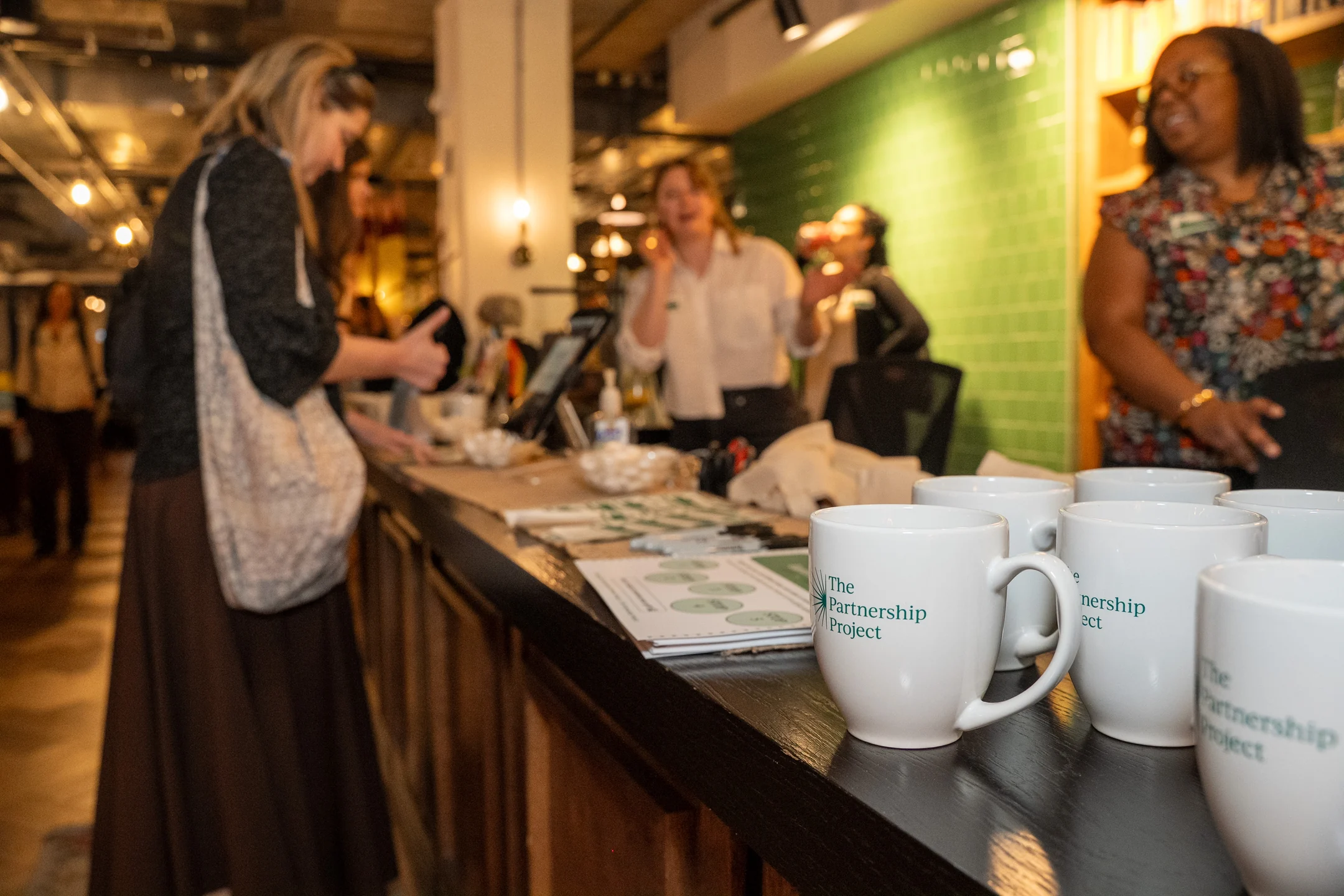
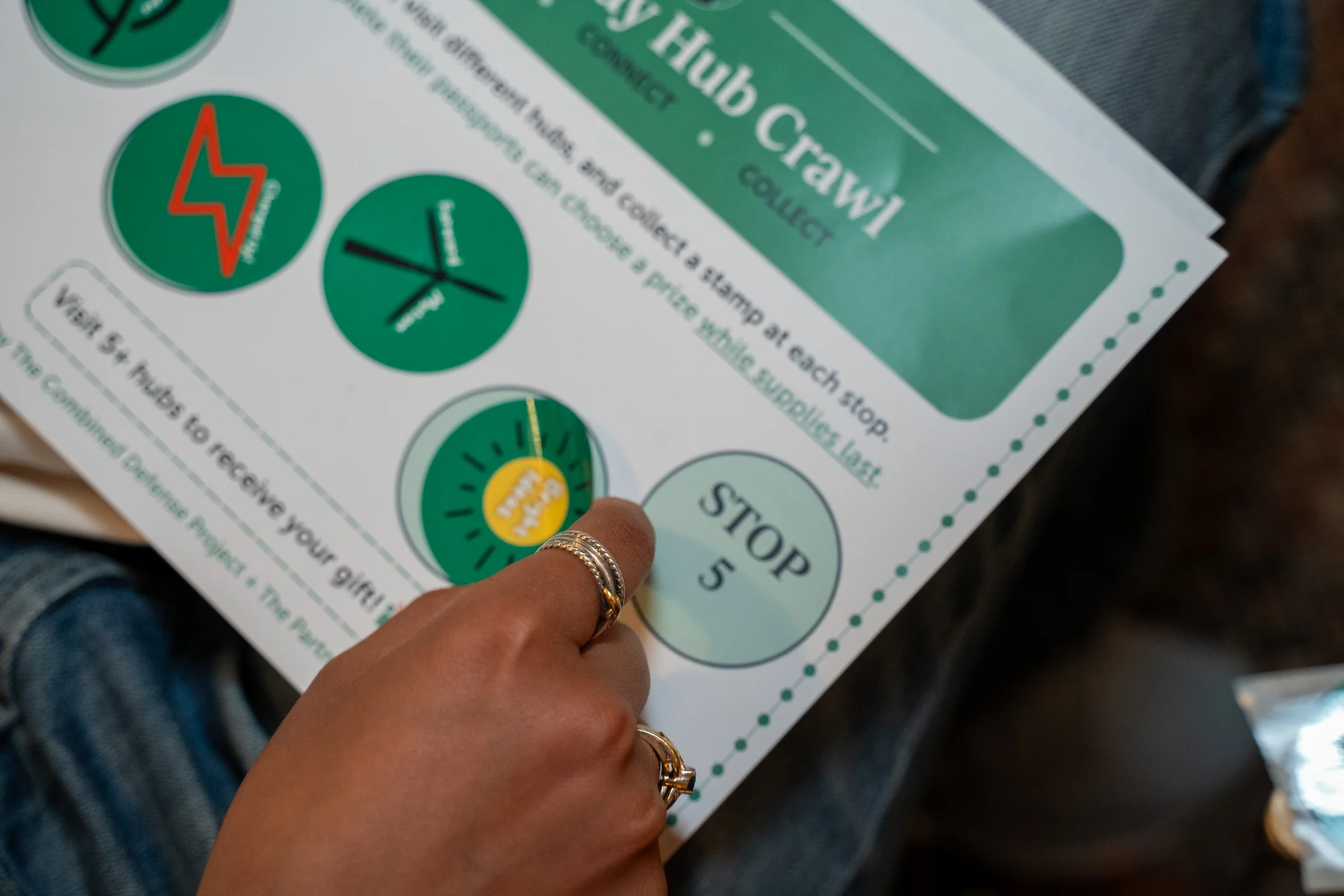
Fourteen Hubs. Seventy-Five Guests. Countless Connections.
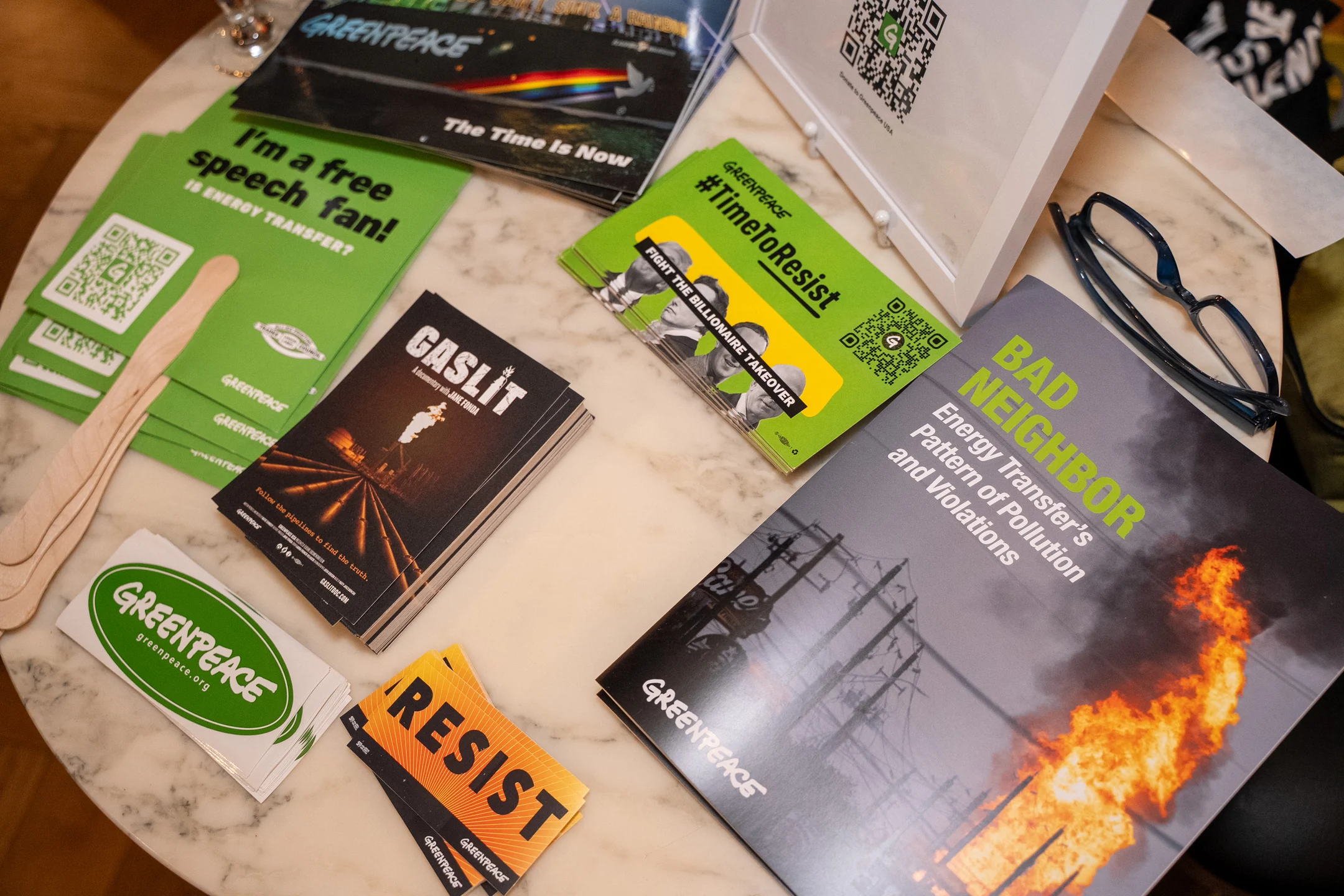
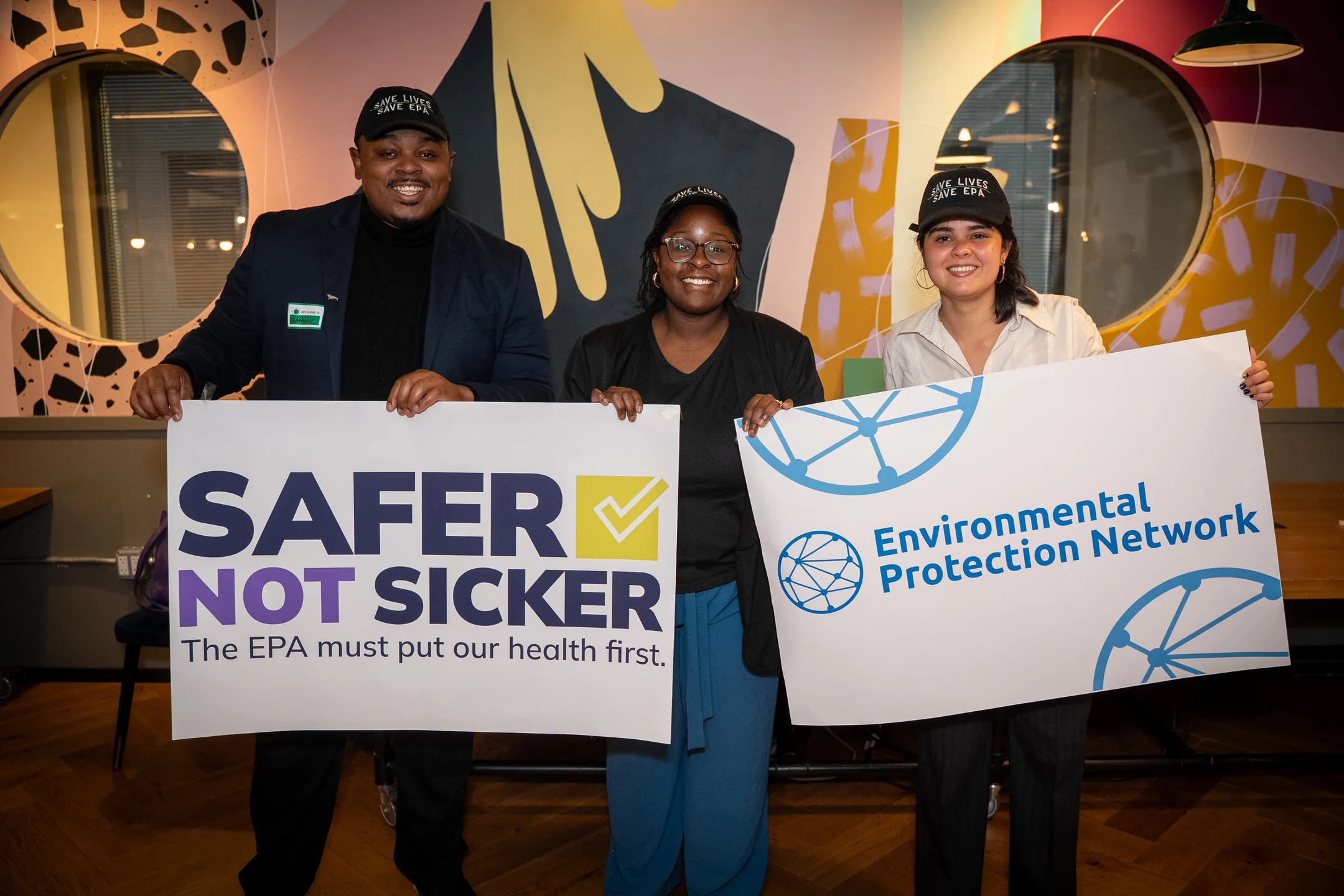
The event featured 14 hubs hosted by organizations, campaigns, and movement leaders working across environmental and advocacy spaces.
Approximately 75 guests attended throughout the evening, creating a room filled with strategists, organizers, researchers, storytellers, coalition-builders, and emerging leaders eager to learn from one another and strengthen their networks.
The format allowed conversations to happen organically. Instead of listening passively to presentations, attendees actively explored the space, engaged directly with hub hosts, and experienced the movement through dialogue, collaboration, and shared curiosity.
The result was a gathering that felt both productive and deeply connected.
A few moments we keep coming back to:
A Movement That Reflected Expansive Leadership
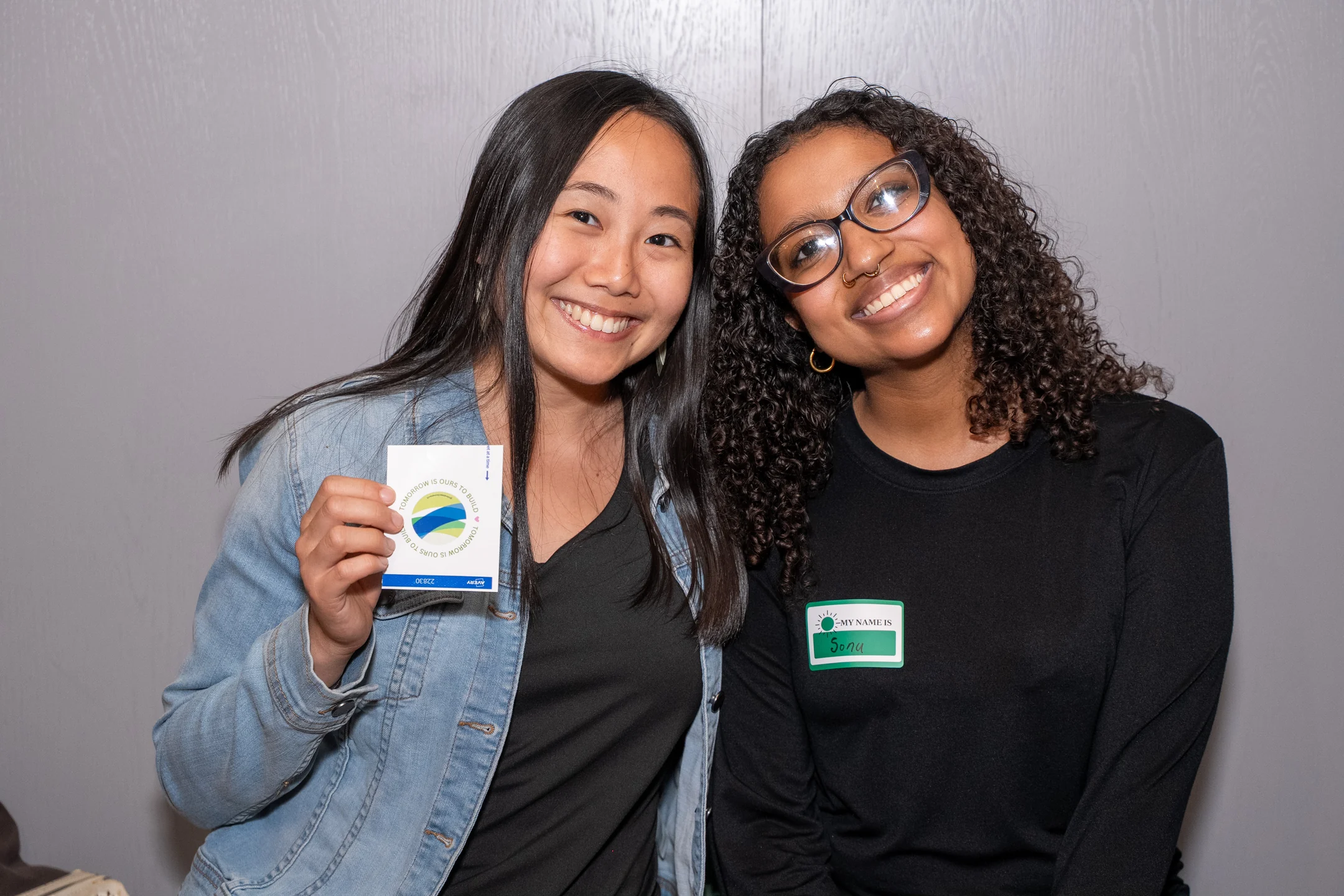
One of the most notable aspects of the evening was the diversity reflected throughout the room.
Environmental advocacy spaces are often perceived as being led primarily by white male leadership. The Earth Day Hub Crawl reflected a broader, evolving reality – one that showcased the depth of leadership emerging across communities, cultures, generations, and lived experiences.
Women were highly visible throughout the event as organizers, campaign leaders, strategists, communicators, and facilitators of connection. Attendees represented a wide range of racial, cultural, and professional backgrounds, forming a space that felt welcoming, dynamic, and reflective of communities impacted by environmental issues.
The event reinforced an important truth: people from many different backgrounds are deeply invested in environmental progress and are looking for spaces where collaboration feels accessible, authentic, and community-centered.
Research highlighted by The Nature Conservancy notes that women leaders often help increase collaboration, improve fairness, and strengthen resilient networks across climate movements – qualities that were visibly present throughout the evening.
Building Community Through Intentional Design
While the evening felt relaxed and organic, the Earth Day Hub Crawl was the result of thoughtful collaboration and behind-the-scenes coordination across teams and partners.
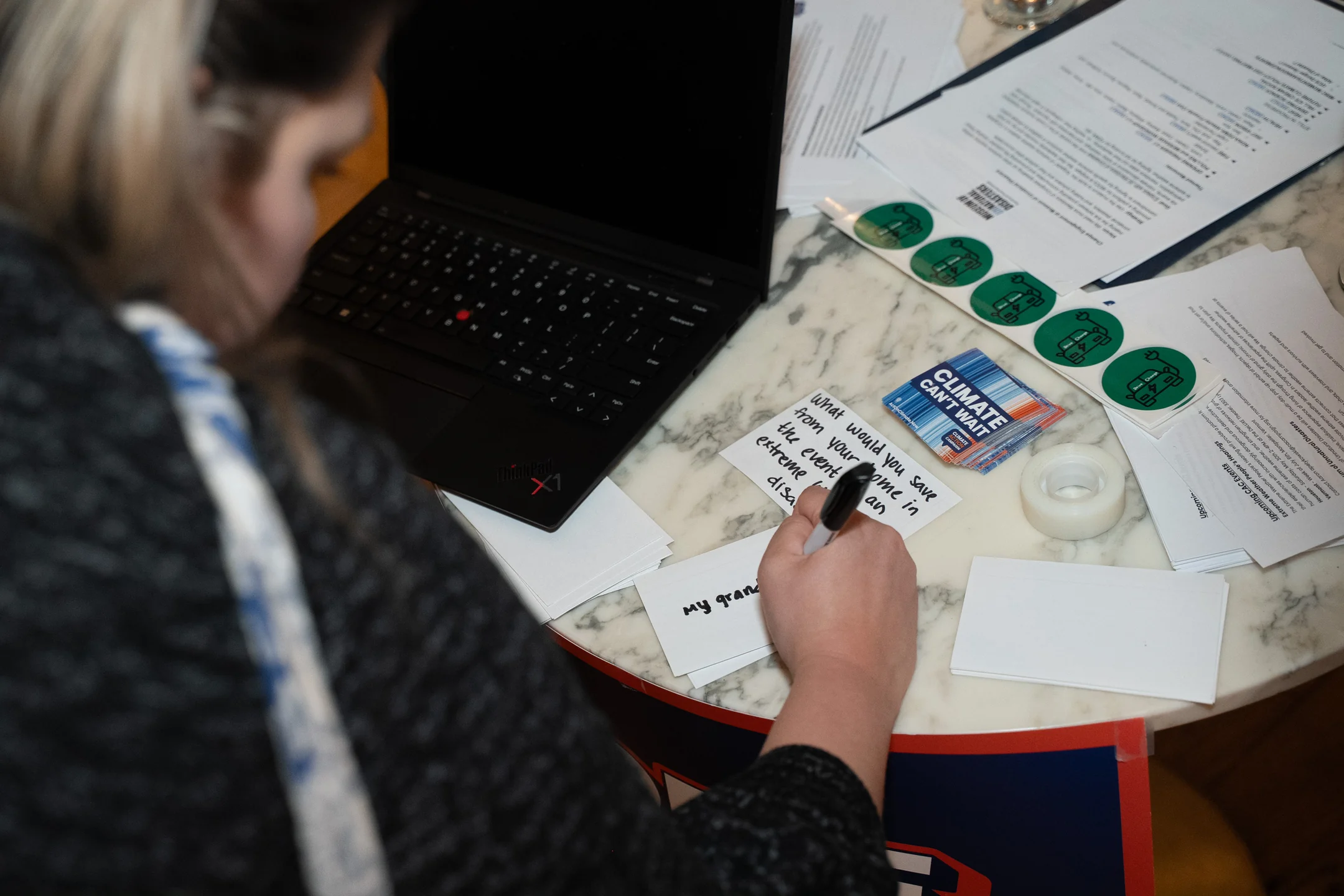
From event planning and communications strategy to visual design, outreach, vendor coordination, food, drinks, and shared gathering spaces, the experience was intentionally built to make connection feel natural and accessible.
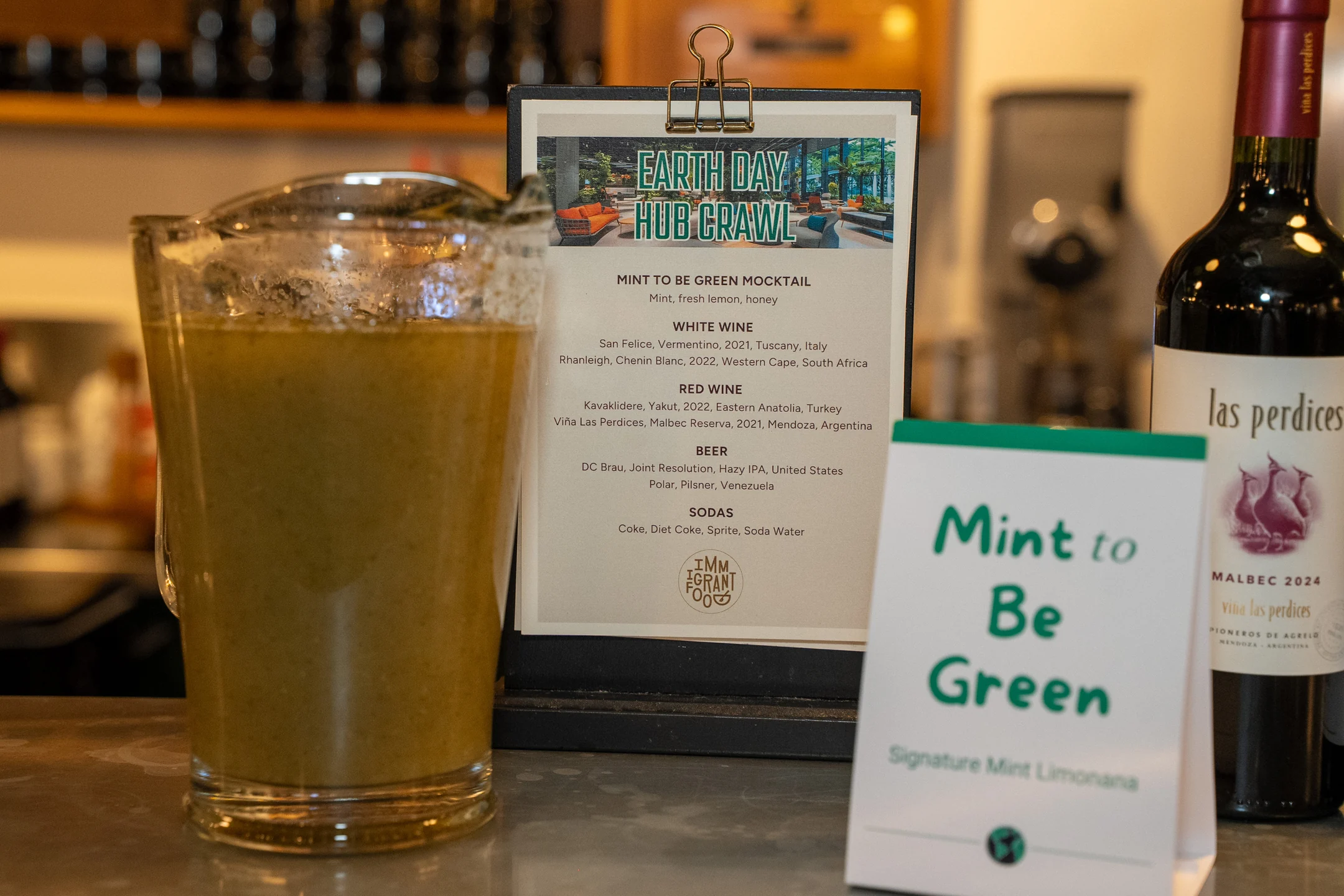
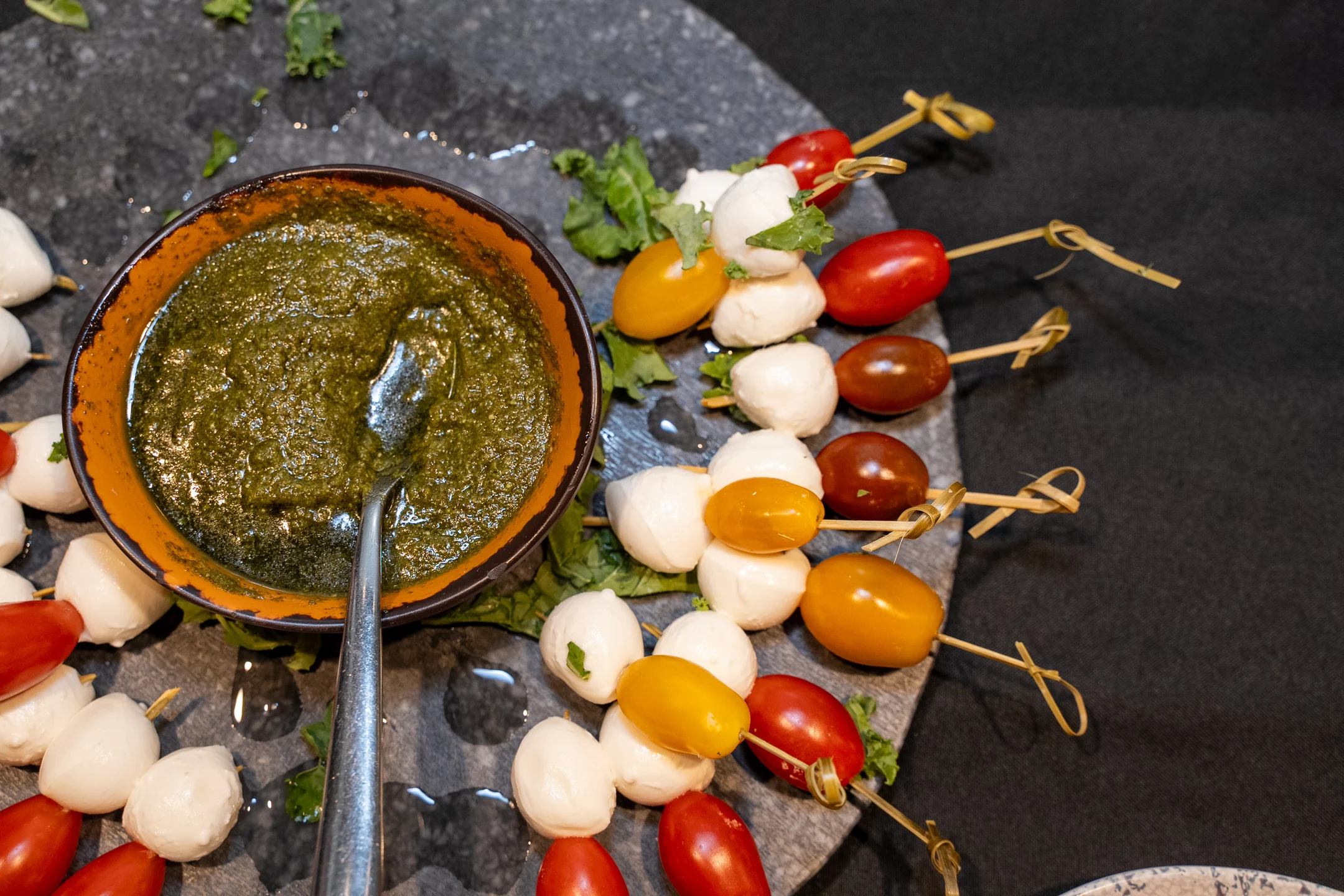
Food and drinks were provided by Immigrant Food, a DC-based restaurant known for blending global cuisine with storytelling and social impact – a fitting complement to an event centered around connection and shared purpose.
Guests gathered around tables, continued conversations between hubs, and built new relationships over food, drinks, and shared experiences. The space encouraged people to slow down, remain present, and interact with one another beyond transactional networking.
Every detail – from the Hub Crawl passports and interactive stations to the welcoming atmosphere and informal gathering areas – helped attendees move comfortably throughout the room, spark conversations, and engage more meaningfully with one another.
What emerged was not simply an event, but a temporary community space built around curiosity, collaboration, and mutual support.



Why This Matters
At the Partnership Project and Combined Defense Project, supporting movements means supporting the people behind them.
That includes providing communications support, operational infrastructure, strategic coordination, and spaces where collaboration can happen more naturally across organizations and campaigns.
The Earth Day Hub Crawl reinforced the importance of what might best be described as connective infrastructure – creating opportunities for people doing aligned work to meet, exchange ideas, and strengthen relationships that can accelerate collective impact over time.
Research on coalition-building and social movements has consistently shown that creating space for leaders to build trust and relationships is vital to long-term collaboration and movement effectiveness.
Movements grow stronger when trust exists between people. They grow stronger when collaboration becomes easier. They grow stronger when emerging leaders feel welcomed into the room.
The Hub Crawl was designed with those values at its core.

Looking Ahead
The Earth Day Hub Crawl served as a reminder that meaningful movement-building often happens in the conversations between formal structures – through relationships, shared energy, spontaneous introductions, and spaces intentionally designed for connection.
The Combined Defense Project and the Partnership Project remain committed to creating opportunities that strengthen collaboration across the environmental movement and support the people advancing this work every day.
Because when people have room to connect, movements become stronger.
And for one evening in Washington, DC, a stronger model for environmental collaboration came to life.